The Synergy of Architecture and Well-being
The place we call home is more than just a structure of bricks and mortar; it’s the fundamental sanctuary that shapes our daily lives, influencing our moods, productivity, and overall health. In the pursuit of a higher quality of life, the principles of residential design have evolved from mere aesthetics to a critical focus on well-being and functionality. This comprehensive guide delves into how thoughtful architectural and interior design choices can dramatically transform a living space into a truly nurturing environment, acting as a crucial element in modern, successful living. Understanding these principles is key not only for homeowners but also for designers and developers seeking to maximize the value and livability of their projects.
Foundational Pillars of Optimal Residential Design
Effective residential design is built upon several core, interconnected pillars. These aren’t just trendy features but timeless concepts that address fundamental human needs for comfort, security, and connection to the natural world.
A. Maximizing Natural Light and Ventilation
Natural light is perhaps the most significant factor in creating a positive living environment. It directly impacts the circadian rhythm, regulating sleep and wake cycles, and boosting serotonin levels, which are linked to improved mood and energy.
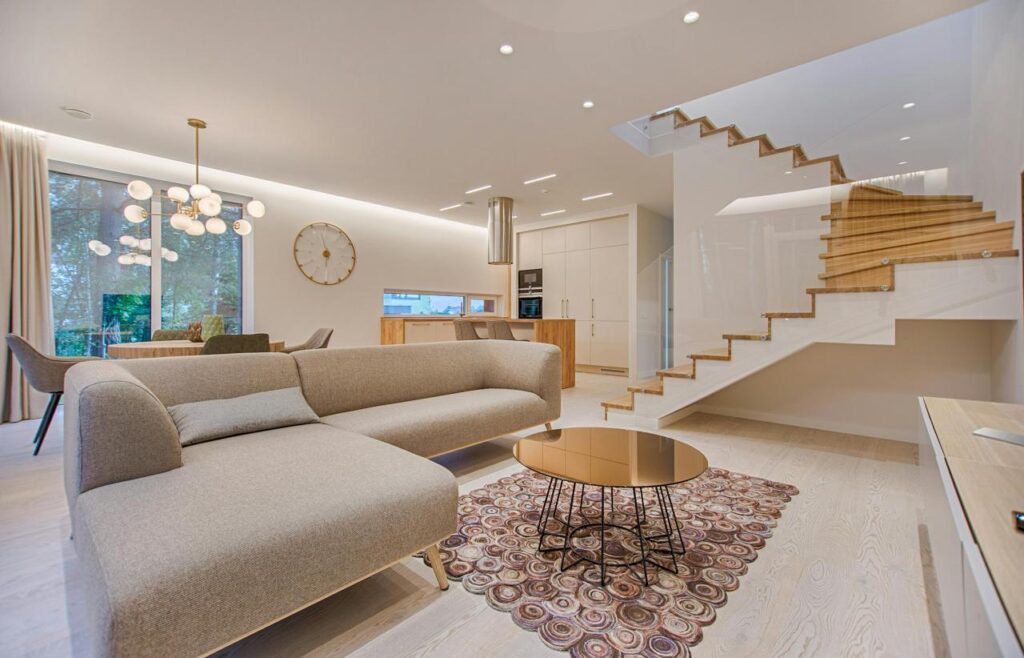
- Strategic Window Placement: Architects now meticulously consider the sun’s path (solar orientation) to maximize daylight exposure throughout the day, particularly in main living areas and kitchens. Larger windows, skylights, and clerestory windows are utilized to draw light deep into the structure’s core.
- Daylight Harvesting Techniques: Employing light shelves, reflective surfaces, and strategic internal openings allows for the efficient distribution of light, reducing the reliance on artificial lighting and lowering energy bills.
- Cross-Ventilation Systems: Design should facilitate the natural movement of air—cross-ventilation. This involves placing operable windows and doors on opposite sides of a room or house to allow fresh air in and stale air out, significantly improving indoor air quality (IAQ) and passively regulating temperature.
B. The Importance of Biophilic Design
Biophilia, a term popularized by E.O. Wilson, describes the innate human tendency to seek connection with nature. Integrating natural elements into the built environment has proven mental and physical benefits, including stress reduction and increased focus.
- Views to Nature: Prioritizing clear, unobstructed views of gardens, trees, or water features is paramount. Even in dense urban settings, green walls, balconies with planters, or strategically placed internal courtyards can fulfill this need.
- Natural Materials: Utilizing materials that evoke the natural world, such as wood, stone, and natural fibers, brings a tactile warmth and authenticity to the home. The subtle variations and imperfections in these materials create visual interest and a sense of permanence.
- Incorporating Water and Plants: The sound of running water from a small fountain and the presence of indoor plants (which also aid in air purification) are simple yet powerful biophilic elements that enhance tranquility.
C. Flexible and Adaptable Spaces (Flexibility and Adaptability)
The modern home must accommodate a dynamic range of activities working, learning, exercising, socializing, and resting. Flexibility is the cornerstone of sustainable, long-term design.
- Multi-functional Rooms: Spaces that can be easily repurposed are invaluable. For example, a home office that seamlessly transforms into a guest bedroom or a dining area that doubles as a large workspace. This often involves the use of sliding partitions, built-in convertible furniture, and hidden storage.
- Open-Plan vs. Broken-Plan: While the open-plan layout fosters connectivity and light, the broken-plan concept uses subtle dividers like changes in floor level, screens, or large furniture pieces to define zones without completely closing them off, offering both connection and necessary acoustic and visual privacy.
- Future-Proofing: Designing with aging-in-place in mind, such as incorporating wider doorways, accessible bathrooms, and the potential for a ground-floor bedroom, ensures the home remains functional as the occupants’ needs change over time.
Enhancing Specific Living Zones for Optimal Functionality
To achieve genuine ‘better living,’ attention must be paid to the unique demands of each residential zone. Every room serves a distinct purpose and requires tailored design strategies.
A. The Kitchen: The Home’s Command Center
Often the hub of activity, the kitchen’s design must balance efficiency with sociability. The classic work triangle (sink, stove, refrigerator) is still relevant, but modern design expands this concept.
- Optimized Flow and Zones: Instead of just a triangle, designers now focus on defining zones for Prep, Cooking, Cleaning, and Storage. This prevents bottlenecks, especially in multi-person households.
- Integrated Appliances and Storage: Maximizing vertical space and incorporating smart storage solutions (pull-out drawers, pantry systems) keeps the space uncluttered. Integrated appliances create a streamlined, cleaner aesthetic.
- The Social Island: A large island unit serves multiple functions: a food prep surface, a casual dining area, and a gathering spot, making the kitchen truly central to the home’s social life.
B. Bedrooms: The Sanctuary of Rest
The primary function of the bedroom is to promote restorative sleep, necessitating a focus on quiet, dark, and comfortable conditions.
- Acoustic Privacy: Careful consideration of wall materials and soundproofing measures is essential, particularly in multi-story or attached housing.
- Light Control: Blackout curtains or blinds are crucial for deep sleep, yet the room should still allow for abundant natural light immediately upon waking.
- Color Psychology: Utilizing calming, cool tones (blues, greens, soft grays) in the bedroom palette has been shown to reduce heart rate and promote relaxation, contrasting with stimulating, warm colors best suited for active spaces.
C. Bathrooms: Wellness and Hygiene
Modern bathrooms are evolving into personal wellness retreats, moving beyond simple functionality.
- Spa-like Elements: Incorporating features such as large walk-in showers with rain heads, free-standing tubs, natural stone, and subtle lighting enhances the sense of luxury and relaxation.
- Smart Ventilation: Powerful, quiet exhaust fans are mandatory to prevent mold and mildew growth, maintaining optimal IAQ and structural integrity.
- Ergonomics and Accessibility: Designing for comfort includes counter-height vanities, easily accessible storage, and non-slip flooring.
Integrating Smart Technology for Seamless Living
Smart home technology is no longer a luxury but an integral component of efficient, better living design. When integrated correctly, it should be intuitive and largely invisible.
A. Energy Management and Sustainability
Smart systems play a pivotal role in reducing a home’s environmental footprint and operational costs.
- Intelligent Thermostats: Devices like Nest or Ecobee learn occupancy patterns and can be remotely controlled, optimizing heating and cooling and leading to significant energy savings.
- Automated Lighting: Motion sensors and light-level sensors ensure lights are only on when needed and can automatically adjust brightness based on available daylight, complementing the natural light design strategies.
- Renewable Energy Integration: Modern design frequently incorporates rooftop solar photovoltaic (PV) systems and battery storage, which are becoming standard features in high-performance homes.
B. Security and Peace of Mind
A feeling of safety is foundational to well-being, and smart security systems provide enhanced control and awareness.
- Integrated Access Control: Smart locks, video doorbells, and facial recognition entry systems offer convenient, keyless access and enhanced monitoring capabilities.
- Centralized Monitoring: A single application or hub to manage security cameras, alarms, and environmental sensors (like smoke and carbon monoxide detectors) simplifies operation and response.
The Psychology of Color, Texture, and Materiality
The choices regarding the sensory elements of a home have a profound, non-verbal impact on its occupants. This is where the emotional connection to a space is forged.
A. Understanding Color Psychology
Color is a powerful psychological tool that can be used to set the tone for any space.
- Warm vs. Cool Palettes: Warm colors (reds, oranges, yellows) are stimulating and social, ideal for dining rooms or entryways. Cool colors (blues, greens, purples) are calming and reflective, perfectly suited for bedrooms and home libraries.
- The Role of Neutrals: A base palette of neutrals (whites, grays, beiges) provides a timeless, serene backdrop, allowing homeowners to introduce personality through easily changeable elements like art and textiles.
B. Tactile Experience and Materiality
The way a home feels underfoot and to the touch is as important as how it looks.
- Layering Textures: Introducing a variety of textures the roughness of linen, the smoothness of polished stone, the softness of a wool rug adds depth and complexity, preventing a space from feeling flat or sterile.
- Authenticity of Materials: Using materials in their natural state, such as exposed concrete, oiled wood beams, or raw leather, celebrates their intrinsic beauty and durability, fostering a deeper connection to the environment.
Designing for Mental Clarity and Decluttering
A cluttered physical space often leads to a cluttered mind. Minimalism in design isn’t about stark emptiness; it’s about intentionality and creating a system for order.
A. Integrated and Hidden Storage Solutions
The key to a visually calm home is making storage part of the architecture itself, rather than an afterthought.
- Built-in Cabinetry: Custom, floor-to-ceiling cabinetry that blends with the walls is the most effective way to store necessities out of sight while maximizing vertical space.
- Underutilized Spaces: Utilizing areas under stairs, in wall cavities, or below window benches for storage converts ‘dead space’ into functional, organizing zones.
B. Embracing Negative Space (White Space)
Leaving areas intentionally empty, often referred to as negative space or ‘white space,’ allows the eye and mind to rest. It provides a visual break from sensory input and draws focus to carefully selected architectural features or pieces of art. The principles of Japanese and Scandinavian design heavily rely on this concept to achieve tranquility.
Designing for Community and Connection
While a home is a private sanctuary, good residential design also acknowledges the human need for community and connection, both within the family unit and with the surrounding neighborhood.
A. Internal Connection and Flow
The layout should encourage interaction, not isolation.
- Central Gathering Spaces: Designing a central, inviting space (often the kitchen/family room) where paths naturally converge ensures that family members cross paths and interact regularly.
- Visual Connectivity: Using glass doors, internal windows, or low-profile furniture can maintain visual connection between rooms, allowing a parent working in an office to still see children playing in the living room, for example.
B. External Connection and Street Presence
A home’s exterior design and relationship to the streetscape contribute to the overall neighborhood’s quality of life.
- Inviting Entryways: A well-lit, clearly defined, and sheltered entryway provides a welcoming transition from the public to the private sphere.
- Porches and Balconies: These semi-private spaces act as social buffers, allowing occupants to observe and engage with the community, fostering a sense of belonging and neighborhood watchfulness.

Conclusion
Designing a residential space for better living is a holistic, multi-faceted endeavor that transcends fleeting trends. It’s an investment in physical health, mental clarity, and social connectivity. By meticulously integrating principles of biophilia, adaptability, acoustic comfort, light maximization, and intuitive technology, a house is transformed into a highly personalized, responsive, and supportive home. The ultimate goal of this thoughtful design is to create an environment that not only shelters but actively nurtures its inhabitants, proving that great architecture is fundamentally about creating a great life. The successful integration of these elements ensures the home remains a dynamic and enduring foundation for a better, healthier, and more productive existence for generations to come.