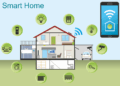
The traditional notion of home security, long reliant upon simple, reactive measures such as mechanical deadbolts, loud, passive sirens, and complex, wired alarm panels, has undergone a fundamental and sophisticated revolution, evolving into a proactive, intelligent, and highly interconnected system thanks to the widespread integration of advanced smart devices across the entire residential landscape.
This critical shift allows modern homeowners to move far beyond merely reacting to a security breach after it has occurred, instead employing a dense network of sensors, high-definition cameras, and smart locks that are capable of anticipating threats, instantly notifying occupants regardless of location, and even verifying incidents through real-time, remote video feeds, fundamentally transforming the capability of personal protective infrastructure.
However, as the complexity and connectivity of these digital security systems increase, they introduce a significant new layer of vulnerability: the need for robust cybersecurity defenses, which are just as vital as the physical barriers on the doors and windows, creating a scenario where a weak network password can be as detrimental as a poorly installed lock.
Therefore, the successful implementation of a truly secure smart home environment demands a comprehensive strategy that prioritizes not only the effective physical integration of sophisticated hardware, but also the meticulous, disciplined maintenance of the underlying digital framework, ensuring that the enhanced convenience and visibility offered by these devices never come at the catastrophic expense of personal privacy or system integrity.
Pillar 1: The Essential Components of a Smart Security System
Building a cohesive, effective smart security system requires integrating several key categories of devices that work together seamlessly.
A. The Eyes and Ears: Cameras and Doorbells
Achieving real-time visual and auditory awareness of the home’s perimeter and interior.
-
Video Doorbell: These serve as the first line of digital defense, providing a wide-angle, high-definition view of the front porch, instant motion alerts, and two-way talk functionality to screen visitors remotely.
-
Outdoor Perimeter Cameras: Strategically placed cameras, often featuring AI-driven object detection (person, package, vehicle) and weatherproof housing, monitor blind spots, driveways, and backyards, often utilizing local storage to maintain privacy.
-
Indoor Monitoring Cameras: Used to monitor specific indoor zones (e.g., nurseries, pet areas, valuables), these often feature privacy shutters or automatic deactivation when an authorized occupant is detected within the home.
B. Access Control: Smart Locks and Entry Sensors
Controlling physical access and monitoring the status of entry points without keys.
-
Smart Deadbolts: These allow for keyless entry via code, app, or fingerprint, and critically, provide a complete, date-and-time-stamped log of who entered and when, eliminating the risk associated with shared physical keys.
-
Door and Window Sensors: Simple, battery-powered sensors placed on all entry points detect when a door or window is opened or shattered. They are the primary trigger for the security system’s alarm functions.
-
Garage Door Control: Integrating a smart garage controller allows for remote closing and status verification, preventing the common security oversight of accidentally leaving the largest entryway unsecured.
C. The Central Hub and Monitoring
The brain that orchestrates the actions and communication of all security devices.
-
The Control Panel: This is the primary user interface, often a wall-mounted touchscreen, used to arm/disarm the system, view live feeds, and interact with emergency services or professional monitoring teams.
-
Protocol Interoperability: The hub must be capable of translating data from various wireless protocols (Wi-Fi, Zigbee, Z-Wave) into a single, cohesive system, ensuring all sensors and cameras communicate reliably regardless of their manufacturer.
-
Professional Monitoring Option: Many systems offer an optional $24/7$ professional monitoring service, where trained personnel respond to verified alarms and dispatch emergency services (police, fire) when needed, adding a crucial layer of assurance.
Pillar 2: Fortifying the Digital Perimeter (Cybersecurity)
The greatest threat to a smart security system is often digital vulnerability, requiring a robust network setup and disciplined user habits.
A. Network Segmentation (IoT Isolation)
Separating smart devices from sensitive personal data is the first line of defense.
-
Dedicated IoT Network: Create a separate Wi-Fi network (often a Guest Network or VLAN) specifically for all smart devices (cameras, locks, lights). This isolates them from the primary network where personal computers and financial data reside.
-
Firewall Protection: Ensure the router is using a strong, non-default firewall setting to prevent unauthorized inbound connection attempts directed at the smart devices from external threats.
-
Restricted Communication: The IoT network should be configured to prevent devices from communicating directly with each other unless absolutely necessary, slowing down potential lateral movement of a virus or hacker within the network.
B. Password Hygiene and Credentials
The simple security basics that prevent most digital breaches.
-
Unique, Complex Passwords: Use a different, complex, and lengthy password (at least 12 characters, mixing types) for every single smart device, the central hub login, the Wi-Fi network, and the mobile application.
-
Two-Factor Authentication (2FA): Enable Two-Factor Authentication on every possible account—especially for the main security app and email accounts associated with device registration—to prevent unauthorized login attempts even if the password is stolen.
-
Avoiding Default Credentials: Immediately change all default usernames and passwords on new routers, cameras, and any other network device, as factory defaults are widely known to attackers.
C. Firmware and Software Maintenance
Staying ahead of known vulnerabilities through continuous updating.
-
Automatic Updates: Whenever possible, enable automatic firmware and software updates for all devices (router, hub, cameras, locks). These updates frequently contain critical security patches that close known hacking loopholes.
-
End-of-Life Devices: Be aware that older smart devices eventually stop receiving security updates (reaching End-of-Life). Continuing to use unsupported devices creates a critical vulnerability that should be replaced as soon as maintenance ceases.
-
Vulnerability Reporting: Pay attention to security advisories from reputable sources and manufacturer email alerts, which notify users about high-risk vulnerabilities that may require immediate action or system review.
Pillar 3: Maximizing Physical Protection through Integration

The physical hardware gains significant power when it is integrated into the intelligent ecosystem and automation platform.
A. Coordinated Alarm Response
Creating a multi-sensory response that is more effective than a simple siren.
-
Visual Confirmation: Upon an intrusion trigger (e.g., door sensor trip), the system can be programmed to immediately start recording on all associated cameras and send the clip to the homeowner for rapid visual verification.
-
Illumination Defense: In the event of an alarm, smart lights should instantly flash brightly (or switch to a specific alarming color like red) to disorient an intruder and attract immediate attention from neighbors.
-
Integrated Entry/Exit Delays: The system should offer customizable entry and exit delays that allow authorized users enough time to disarm the system without false alarms, while maintaining zero delay on perimeter windows and glass-break sensors.
B. Smart Lock Automation and Geofencing
Using location data to eliminate human error in arming the system.
-
Auto-Locking: The smart lock should be programmed to automatically engage (lock) the door 60 seconds after the door has been shut, eliminating the stress of remembering to lock up.
-
“Leaving Home” Routine: Creating an automation that, when triggered (via voice or app), will lock all smart locks, arm the security system, turn off all internal lights, and adjust the thermostat to away mode, ensuring comprehensive security activation.
-
Geo-Aware Reminders: If the geofence detects the last user has left the area, the system can send a push notification reminder if the security system was not armed, preventing critical security lapses.
C. Protection Against Environmental Hazards
Expanding the definition of “security” beyond just intruders.
-
Water Leak Mitigation: Sensors detect water and the system can be programmed to automatically shut off the main water valve (if a smart valve controller is installed), mitigating major flood damage.
-
Fire and CO Communication: A connected smoke alarm should trigger the central security hub and automatically unlock smart locks, ensuring safe and immediate exit for occupants and easier access for first responders.
-
Temperature Extremes: Smart thermostats can send freeze warnings if the temperature drops dangerously low (preventing burst pipes) or overheat warnings if the HVAC system fails in summer, protecting property.
Pillar 4: Managing Privacy and Data Integrity
Since security systems handle sensitive visual and audio data, a proactive stance on privacy is non-negotiable.
A. Video and Audio Management
Carefully controlling what is recorded and where it is stored.
-
Privacy Zones: Utilize the camera software’s feature to define “privacy zones” that are automatically blocked out from recording (e.g., a neighbor’s window, a shared pathway) to respect external privacy boundaries.
-
Local vs. Cloud Storage: Choose camera systems that offer secure local storage (SD card or dedicated local hub) over purely cloud-based storage, minimizing the risk of remote data breaches and maintaining ownership of the footage.
-
Indoor Camera Deactivation: Crucially, implement automation routines that automatically power off or electronically shutter indoor cameras when any authorized household member is detected as being home, preventing unintentional recording of private moments.
B. Data Minimization and Retention
Only collecting and storing the necessary data for the shortest possible time.
-
Event-Based Recording: Configure cameras to only record when motion, sound, or specific events are detected, rather than running a continuous, all-encompassing video stream, reducing the amount of personal data stored.
-
Short Retention Policies: If using cloud storage, configure the settings to automatically delete video clips after a short period (e.g., 7 days) unless a specific clip is manually marked for permanent saving (e.g., an actual security incident).
-
Reviewing Third-Party Access: Periodically review which third-party applications or services have been granted access to the security hub and revoke access to any that are no longer actively used or trusted.
C. Transparency and Household Communication
Ensuring everyone in the home understands the system’s capabilities.
-
Informing Guests: Always inform guests, especially those staying overnight, about the presence of smart cameras and listening devices, particularly those indoors, to maintain trust and respect for their privacy.
-
Family Rules: Establish clear family rules and guidelines for using the system, including when the system should be armed (e.g., “Armed Stay” at night, “Armed Away” during the day) and the proper code or disarming procedure.
-
Disabling Listening: When necessary, utilize the device feature to electronically mute the microphone on voice assistants and cameras, preventing the system from passively listening when absolute privacy is desired.
Pillar 5: Future-Proofing and Choosing the Right Ecosystem
Investing in security means planning for longevity, compatibility, and a seamless user experience.
A. Choosing a Reliable Platform
Selecting a system that supports longevity and integration.
-
Platform Commitment: Choose a platform (e.g., Abode, SimpliSafe, Ring, Nest/Google Home) with a proven track record of long-term support, regular updates, and high customer satisfaction within the security industry.
-
Ecosystem Compatibility: Prioritize systems that are open or widely compatible with the Matter standard, ensuring that the specialized hardware purchased today can work with the general smart devices that may be added later.
-
System Redundancy: Look for a system that offers battery backup for power outages and cellular backup for internet outages, ensuring critical security monitoring continues uninterrupted during emergencies.
B. Professional Installation vs. DIY
Weighing the trade-offs between cost savings and guaranteed security integrity.
-
DIY Advantages: Allows for lower upfront costs, greater customization, and the ability to choose devices from various manufacturers, best suited for tech-savvy users comfortable with network setup.
-
Professional Advantages: Ensures correct placement and installation of all sensors and cameras, guarantees proper network configuration, and often includes the support required for immediate alarm response certification.
-
Hybrid Approach: Often, the best solution is a hybrid approach: self-installing simple devices (bulbs, speakers) while paying a professional installer for the critical security components (locks, alarm panel, outdoor cameras).
C. Budgeting for Recurring Costs
Acknowledging that advanced security features often require ongoing financial commitment.
-
Cloud Storage Fees: Budget for the monthly or annual costs associated with cloud video storage, which is necessary if the user requires video review capabilities beyond live viewing.
-
Monitoring Fees: Factor in the cost of professional $24/7$ monitoring, which, while optional, is crucial for timely emergency dispatch and often necessary for insurance discounts.
-
Replacement Cycle: Understand that smart devices have a technology life cycle. Plan for the eventual need to replace or upgrade components (e.g., outdated cameras, battery-drained sensors) every few years to maintain optimal security performance.
Conclusion: The Secure and Intelligent Dwelling

Integrating smart devices into home security is a powerful, multifaceted upgrade that transforms reactive defense into intelligent, proactive protection.
The foundation of this advanced protection relies equally on robust physical components, such as smart locks and high-definition cameras, and the implementation of a highly secured, segmented home network.
Cybersecurity is paramount, demanding adherence to strict digital protocols, including the mandatory use of unique passwords and the activation of two-factor authentication on all critical accounts.
True system effectiveness is achieved through automation, coordinating a multi-sensory alarm response that utilizes lights, sirens, and instant video verification simultaneously during a security event.
However, the convenience of remote monitoring carries the heavy responsibility of maintaining rigorous privacy standards, requiring users to consciously manage video storage and disable unnecessary audio recording.
Homeowners must strategically choose long-term platforms that embrace open standards like Matter and offer essential redundancies, such as battery and cellular backup, to ensure the system never fails during a crisis.
By committing to regular software maintenance, careful device placement, and clear household communication, the modern homeowner can build a resilient digital fortress that protects both physical property and invaluable personal data.