The Imperative for Urban Resilience
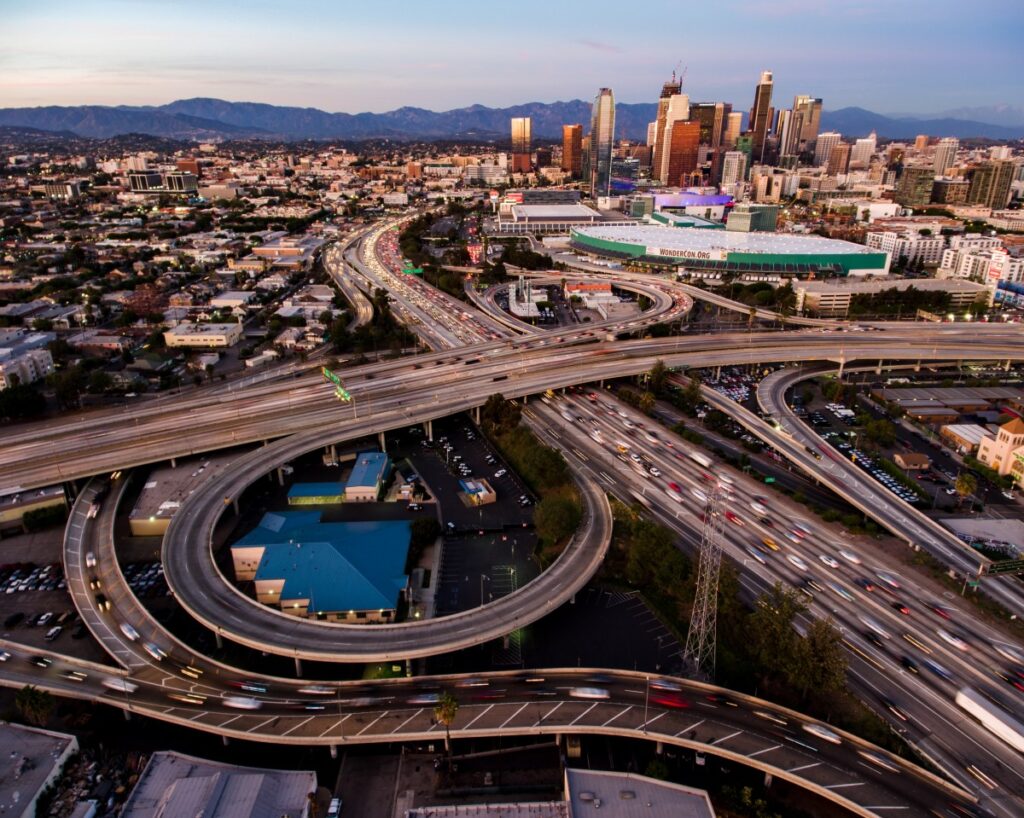
The global population is rapidly consolidating into mega-cities, placing unprecedented strain on existing utilities and resources. Projections indicate that by 2050, nearly 70% of the world’s inhabitants will reside in urban areas. This rapid demographic shift necessitates a radical re-imagining of how cities are designed, operated, and maintained.
Sustainable city infrastructure is the strategic foundation upon which future urban resilience and prosperity will be built. This is not merely an environmental trend; it is an economic necessity that ensures lower operational costs, shields citizens from resource volatility, and significantly improves public health. The following extensive blueprint details the multi-faceted components required to transition from a conventional, linear urban model to a resource-efficient, circular, and digitally optimized metropolis.
Energy and Smart Grid Systems
The move towards decarbonization requires a complete overhaul of urban energy infrastructure, prioritizing resilience, decentralization, and efficiency.
A. The Rise of Decentralized Energy Generation (DEG)
Traditional power generation relies on massive, centralized plants that are vulnerable to single points of failure. DEG shifts production to local sources, such as community solar arrays, rooftop photovoltaic (PV) panels, micro-wind turbines, and combined heat and power (CHP) systems. This local generation minimizes transmission losses and enhances grid stability.
Furthermore, it allows for the deployment of Microgrids small-scale, localized power systems that can disconnect from the main grid to operate autonomously during emergencies, securing essential services like hospitals and transit systems.
B. Advanced Smart Grid Architecture
A true Smart Grid is a digitally augmented electrical network utilizing two-way communication. It incorporates advanced sensors (phasor measurement units – PMUs), smart meters, and sophisticated data analytics.
- Demand-Side Management (DSM): The grid actively communicates with consumers and appliances to manage peak loads, perhaps by slightly shifting the timing of heavy loads like HVAC systems or water heaters based on real-time pricing signals.
- Renewable Intermittency Management: Sophisticated algorithms predict solar and wind output fluctuations and balance them with fast-response resources, such as utility-scale battery storage (Battery Energy Storage Systems – BESS), or pumped hydro storage.
- Cybersecurity Protocols: As the grid becomes more digitized and interconnected, robust cybersecurity measures are essential to protect against potential sabotage or system failures, utilizing blockchain or AI-driven threat detection.
C. Energy Efficiency in the Built Environment
The building sector is often the largest consumer of urban energy. Sustainable infrastructure demands mandatory energy performance improvements.
- Passive Design Strategies: Optimizing building orientation, utilizing natural daylighting, high-performance insulation (e.g., vacuum insulated panels), and thermal mass to minimize the need for mechanical heating and cooling.
- Net-Zero and Passive House Standards: Requiring new construction to meet stringent standards like the Passive House certification, which dramatically reduces the building’s energy load, or aiming for Net-Zero Energy Buildings (NZEBs) that produce as much energy as they consume over the course of a year.
- Building Management Systems (BMS): Installing intelligent, sensor-driven systems that automatically adjust lighting, ventilation, and temperature based on occupancy and real-time data, ensuring energy is not wasted in unoccupied spaces.
D. Geothermal and District Energy Systems
Cities can leverage deep underground temperatures for highly efficient heating and cooling. District Energy Systems (DES) centralized plants that distribute heating or cooling to multiple buildings via insulated pipes are significantly more efficient than individual systems, offering a major opportunity for large-scale, low-carbon thermal energy supply.
Integrated Water Cycle Management
Sustainable water infrastructure treats the urban water cycle as a closed loop, emphasizing conservation, purification, and reuse.
A. Water-Efficient Design and Infrastructure
- Advanced Leak Detection: Using acoustic sensors, satellite imagery, and ground-penetrating radar to monitor pipe integrity and pinpoint leaks with high accuracy, minimizing non-revenue water loss, which can exceed 30% in older systems.
- Pressure Management: Optimizing water pressure across the distribution network to reduce stress on pipes, thereby preventing bursts and prolonging infrastructure life.
- Low-Flow Fixtures and Greywater Recycling: Implementing mandates for low-flow toilets, faucets, and showerheads in all new construction, alongside incentivizing or mandating on-site greywater treatment for non-potable uses (irrigation, toilet flushing).
B. Sustainable Stormwater and Flood Resilience (Green Infrastructure)
Instead of relying solely on costly, conventional ‘grey’ infrastructure (concrete pipes and drains), cities are adopting Green Infrastructure (GI).
- Permeable Pavement: Replacing impervious surfaces with materials that allow rainwater to soak through and recharge groundwater, reducing runoff volume and minimizing pollution entering waterways.
- Bioretention Systems (Rain Gardens): Strategically planted depressions that capture and filter stormwater runoff, removing pollutants naturally before the water returns to the water table or drainage system.
- Urban Green Spaces: Increasing tree canopy coverage and establishing “Sponge Cities” principles where parks and green roofs act as natural sponges to absorb excess rainfall, mitigating flood risk and simultaneously lowering the Urban Heat Island Effect.
C. Wastewater Treatment and Resource Recovery
Wastewater is increasingly viewed as a valuable resource, not merely a waste product.
- Water Reuse (Potable and Non-Potable): Employing advanced reverse osmosis and UV disinfection to produce high-quality, potable water from treated wastewater, reducing reliance on conventional sources.
- Energy Harvesting: Utilizing anaerobic digestion in wastewater treatment plants to produce biogas (methane), which can be used to power the facility or injected into the city’s natural gas grid, achieving a net-zero energy treatment process.
- Nutrient Recovery: Extracting valuable nutrients like phosphorus and nitrogen from sludge for use as commercial fertilizer, closing the loop on nutrient cycling.

Low-Carbon Transportation and Mobility
The goal is to move people and goods efficiently while drastically reducing the per-capita carbon footprint.
A. The Integration of Mass Transit Networks
High-capacity rail and metro systems remain the backbone of sustainable urban mobility.
- Intermodality: Ensuring seamless transfer points between different modes of transport (bus, metro, bike-share, EV parking) and a unified ticketing system to simplify the user experience and encourage transit use.
- Transit-Oriented Development (TOD): Planning high-density, mixed-use residential and commercial areas around transit hubs, minimizing the distance people need to travel for daily activities.
B. Electrification and Smart Fleets
The shift to electric vehicles (EVs) must be supported by widespread, robust charging infrastructure.
- Public Charging Infrastructure: Deploying Level 2 and DC fast-charging stations strategically, particularly at transit hubs, commercial centers, and residential areas lacking private garages.
- Vehicle-to-Grid (V2G) Technology: Implementing V2G systems that allow EV batteries to discharge power back into the grid during periods of peak demand, essentially turning parked cars into mobile, distributed energy resources, bolstering grid resilience.
- Autonomous Public Transit: Exploring autonomous, electric shuttles for last-mile connectivity, optimizing routes in real-time to meet fluctuating demand.
C. Active Mobility and Digital Navigation
Prioritizing the non-motorized movement of people.
- Protected Bicycle Infrastructure: Building segregated, protected bike lanes that are physically separated from vehicular traffic to ensure safety, thereby increasing ridership.
- Pedestrian Priority Zones: Creating car-free or reduced-speed zones in dense commercial and residential areas, enhancing walkability, commerce, and public safety.
- Mobility-as-a-Service (MaaS): Integrating all transport options (public transit, ride-sharing, bike-share, car-share) into a single digital platform, allowing users to plan, book, and pay for multi-modal journeys seamlessly.
D. Sustainable Freight Logistics
Addressing the carbon emissions from urban goods delivery.
- Consolidation Centers: Establishing peripheral logistics hubs where large trucks offload goods onto smaller, electric-powered cargo bikes or vans for ‘last-mile’ delivery within the city center.
- Off-Peak Hour Delivery: Incentivizing or mandating freight delivery during non-peak hours to reduce traffic congestion and associated air pollution.
Waste Management and the Circular Economy
A sustainable city aims for Zero Waste, viewing all ‘waste’ as a potential resource.
A. Moving Beyond Landfills (The 5 R’s)
The hierarchy of waste management is formalized: Refuse, Reduce, Reuse, Repurpose, and finally Recycle/Recovery.
- Extended Producer Responsibility (EPR): Implementing policies that hold manufacturers financially and physically responsible for the life cycle of their products and packaging, incentivizing them to design for durability and recyclability.
- Pay-As-You-Throw (PAYT) Schemes: Charging residents for the amount of residual, non-recyclable waste they produce, providing a direct financial incentive for reduction and better sorting.
B. Advanced Recycling and Material Recovery
- Material Recovery Facilities (MRFs): Investing in highly automated MRFs that use optical sorters, ballistic separators, and AI to achieve high purity rates in recycled materials.
- Chemical Recycling: Developing processes to break down complex plastic polymers into their original monomers, allowing them to be recycled infinitely without quality degradation.
- Construction and Demolition (C&D) Waste: Mandating that at least 80% of C&D waste (concrete, asphalt, timber) is crushed and reused in new construction projects, minimizing landfill volume and the demand for virgin materials.
C. Organic Waste and Bioenergy
Food waste and yard trimmings should be diverted from landfills entirely.
- Curbside Organics Collection: Implementing mandatory curbside collection of organics for both residential and commercial sectors.
- Anaerobic Digestion (AD): Processing organic waste through AD facilities to produce biogas (renewable natural gas) for energy and a nutrient-rich digestate (compost/fertilizer).
Digital Infrastructure and Smart Governance
Technology serves as the nervous system that connects and optimizes all physical infrastructure.
A. The Interoperable Smart City Platform
A city’s data streams (traffic, air quality, energy consumption, police/fire, water usage) must be aggregated onto a single, secure, interoperable platform. This allows city agencies to break down silos, enabling true cross-sector optimization. For example, traffic management can automatically adjust signal timing based on real-time air quality data to reduce idling during pollution peaks.
B. Digital Twins for Predictive Maintenance
Digital Twin technology allows planners to create high-fidelity, virtual models of the city’s infrastructure assets.
- Scenario Planning: Simulating the impact of new policies (e.g., a congestion tax) or external threats (e.g., a 100-year flood event) before implementation, significantly de-risking public investment.
- Predictive Asset Management: Using AI and sensor data within the Twin to predict when a component (a pump, a traffic signal, a bridge span) is likely to fail, enabling maintenance teams to intervene proactively, avoiding costly breakdowns.
C. Cyber-Physical Security
With increasing digitization, the infrastructure becomes a potential target.
- Resilience Planning: Developing comprehensive protocols and backup systems to ensure essential services (power, water, communication) can function even if a major cyberattack compromises parts of the grid or network.
- Data Privacy and Governance: Establishing clear legal frameworks and ethical guidelines to ensure that the vast amounts of citizen and infrastructure data collected are used transparently and securely, respecting individual privacy.
Finance, Policy, and Social Equity
Sustainable infrastructure is ultimately a governance and financial challenge.
A. Life-Cycle Financial Modeling
Financial planning must shift from simple capital expenditure (CapEx) to Total Cost of Ownership (TCO) and Life-Cycle Costing (LCC). While sustainable materials or low-energy systems may have a higher upfront cost, their operational savings (OpEx), reduced maintenance needs, and longer asset life result in dramatically better returns over 30 or 50 years.
B. Innovative Financing Mechanisms
- Climate and Green Bonds: Issuing municipal bonds specifically earmarked for projects with clear environmental and social benefits, often attracting lower interest rates from environmentally conscious investors.
- Land Value Capture (LVC): Utilizing the increase in property value created by new public transit or utility improvements (e.g., a new metro line) to finance a portion of the infrastructure cost.
- Public-Private Partnerships (PPPs): Structuring PPPs with clear performance metrics tied to energy savings, emissions reductions, and service quality, transferring risk and leveraging private sector innovation.
C. Equity and Accessibility
Sustainability efforts must be inclusive.
- Addressing ‘Transit Deserts’: Ensuring that low-income and marginalized communities have equitable access to high-quality public transit, green spaces, and clean energy solutions.
- Affordable Housing Integration: Mandating or incentivizing the integration of affordable, energy-efficient housing directly into TOD projects to prevent gentrification and displacement resulting from infrastructure improvements.
- Job Creation: Developing specific training programs to ensure local workers can acquire the skills necessary for the emerging “green jobs” in construction, maintenance, and data management associated with sustainable infrastructure.
Conclusion
The journey towards sustainable city infrastructure is a continuous process of investment, innovation, and adaptive governance. It requires breaking down the traditional silos between energy, water, waste, and transport sectors, integrating them through a powerful, data-driven digital layer.
The reward for this comprehensive effort is the creation of highly resilient, economically competitive, and environmentally responsible cities places where resource efficiency drives down operational costs, and where the health and well-being of all residents are the paramount priority. By adopting this complete blueprint, today’s cities can secure their place as the thriving, low-carbon metropolises of tomorrow.