The Imperative of Designing for Tomorrow
In the rapidly evolving world of residential architecture, a dwelling is no longer just a static shelter; it is an active, dynamic ecosystem that must adapt to changing technologies, shifting demographics, and the intensifying pressures of climate change. The concept of “future-proofing” a home has transitioned from a niche luxury to a core design philosophy, vital for maximizing longevity, minimizing environmental impact, and preserving or increasing long-term property value.
Designing a home to withstand the test of time means anticipating needs five, ten, and even fifty years down the line. This comprehensive guide delves into the essential pillars of future-proof home design, examining the strategic decisions in structure, technology, and spatial planning that ensure a modern residence remains relevant, comfortable, and efficient in the face of an unpredictable future.
Structural Longevity and Material Resilience
The foundation of any future-proof home is its physical structure. Selecting durable, high-performance materials is crucial to minimizing maintenance costs, resisting environmental wear, and ensuring the home’s integrity for generations. This area of design focuses less on fleeting aesthetic trends and more on robust, time-tested quality.
A. Embracing Modular and Adaptive Construction Methods
Traditional stick-built homes often present challenges when changes are needed. Future-proof designs increasingly rely on construction methods that allow for easier modification and expansion.
- Modular Systems: Utilizing prefabricated structural insulated panels (SIPs) or cross-laminated timber (CLT) allows for faster, more precise construction with significantly less waste. Crucially, these systems often make walls non-load-bearing, facilitating easier internal layout changes in the future.
- Agnostic Walls: Designing internal partition walls that can be easily erected or dismantled without compromising the main structure is a key strategy. This allows rooms to be resized or combined (e.g., merging two bedrooms into a master suite or dividing a large space for a home office).
- Foundation Resilience: Investing in deeper, more robust foundations and elevated living spaces, particularly in areas prone to flooding or seismic activity, is a non-negotiable step in preparing for extreme weather scenarios exacerbated by climate change.
B. The Strategic Selection of High-Performance Materials
The exterior envelope of the home the walls, roof, and windows is the first line of defense. Longevity hinges on materials that require minimal intervention over decades.
- Durable Cladding: Opting for materials like fiber cement siding, metal paneling (zinc or copper), or high-quality brick/stone veneer over typical wood siding drastically reduces the need for repainting and replacement. These materials are inherently resistant to pests, rot, and fire.
- High-End Roofing: Moving beyond standard asphalt shingles to metal roofing, slate, or concrete tiles provides superior longevity (often 50+ years) and resilience against high winds, hail, and intense UV exposure. Furthermore, metal roofing is an excellent substrate for solar panel installation.
- Minimizing Thermal Bridging: The strategic use of continuous exterior insulation and advanced air-sealing techniques minimizes thermal bridging (heat escaping through structural elements), ensuring the home maintains consistent temperatures with less energy expenditure.
C. The Role of Smart Glazing and Window Technology
Windows are historically the weakest point in a building’s thermal envelope. Modern technology offers solutions that significantly enhance energy performance.
- Triple-Pane Glass: While dual-pane is standard, triple-pane glazing offers superior insulation (lowering the U-factor) and exceptional sound dampening, a vital feature for homes near busy areas.
- Low-Emissivity (Low-E) Coatings: These microscopic coatings reflect infrared heat, keeping the interior cooler in summer and warmer in winter, dramatically reducing the load on HVAC systems.
- Dynamic Glazing: Emerging technologies like electrochromic glass allow occupants to dynamically control the tint of the window either manually or automatically via smart sensors to block glare and heat gain without sacrificing natural light.
Integrated Technology and Smart Readiness
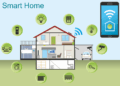
The pace of technological change is relentless. A future-proof home must be wired not just for today’s devices, but for tomorrow’s yet-to-be-invented systems. This requires a robust, centralized infrastructure that emphasizes bandwidth and accessibility.
A. The Backbone: Robust Wiring and Centralized Networking
Wireless technology is convenient, but the highest bandwidth and reliability still come from wired infrastructure.
- Category 6A (Cat 6A) Cabling: Wiring the entire home with Cat 6A or better is essential. This future-proofs the network for multi-gigabit speeds, critical for high-resolution streaming, VR/AR applications, and the simultaneous demands of dozens of smart devices.
- Centralized Hub Location: Designing a dedicated, temperature-controlled utility closet for networking hardware (modem, router, switch, smart home hub) ensures optimal performance, easy access for upgrades, and centralized power backup solutions.
- Conduit Pathways: Installing empty conduit runs from the networking hub to key areas (e.g., above doors for future cameras, next to windows for motorized blinds, entertainment areas) allows homeowners to pull new wires or fiber optic cables without opening walls.
B. Decentralized Smart Control and Power Redundancy
Relying on a single proprietary smart home ecosystem is risky. Future-proofing favors open standards and self-sufficiency.
- Protocol Agnosticism: Designing systems that communicate using universal, open standards (like Matter, Zigbee, or Z-Wave) rather than being locked into a single brand (e.g., Apple, Google, or Amazon) ensures compatibility with future devices.
- Distributed Sensor Network: Pre-wiring for a comprehensive network of sensors (light, temperature, humidity, CO/CO2, motion) in every room provides the data foundation necessary for sophisticated, self-regulating automation systems.
- Integrated Power Storage: The most critical technology is the Battery Energy Storage System (BESS). Integrating a large home battery (like a Powerwall) with solar panels allows the home to store excess energy, utilize it during peak rate hours (reducing utility costs), and serve as a crucial backup during power outages, making the home an independent energy microgrid.
Vehicle and Utility Readiness
The transition to electric vehicles (EVs) and other high-demand appliances is already underway. Future homes must accommodate this shift.
- Level 2 EV Charging: Every new home should be pre-wired with a dedicated 240-volt circuit and heavy-gauge wiring (typically 40 or 50 amps) to the garage or carport, ready to accommodate a Level 2 EV charger, which is essential for fast home charging.
- Induction Cooking: Specifying induction cooktops over traditional electric or gas not only improves kitchen air quality but is also significantly more energy-efficient and safer.
- Heat Pump Technology: Integrating high-efficiency electric heat pumps for heating, cooling, and water heating is a cornerstone of future-proof design, eliminating the need for fossil fuels and maximizing efficiency when paired with solar power.

Sustainability and Energy Independence
Energy consumption is the single greatest determinant of a home’s operational cost and environmental footprint. True future-proofing demands a move towards net-zero or even energy-positive performance.
A. Achieving the Zero-Energy Goal
A zero-energy or net-zero home generates as much renewable energy on-site as it consumes annually. This is achieved through a combination of efficiency and production.
- Passive Design Principles: Before technology, good design is paramount. Orienting the home to maximize natural light (daylighting) and strategically placing windows to allow for passive solar gain in winter and natural cross-ventilation in summer drastically reduces the need for artificial lighting and HVAC.
- High R-Value Envelope: The wall, roof, and floor assemblies must have exceptionally high R-values (resistance to heat flow). This is achieved through thick, continuous layers of high-density insulation. The higher the R-value, the less energy is needed to maintain comfort.
- Energy Recovery Ventilation (ERV): In a tightly sealed, high R-value home, controlled ventilation is necessary for air quality. An ERV system pre-conditions incoming fresh air using the temperature of the outgoing stale air, recovering up to 80% of the heating or cooling energy, ensuring fresh air without energy loss.
B. Maximizing On-Site Renewable Energy Generation
The roof space is a valuable asset that must be leveraged for power generation.
- Solar Photovoltaics (PV): Sizing the solar array to meet or exceed 100% of the home’s estimated annual consumption is the goal. Future-proofing includes selecting solar panels with high efficiency and durability, and ensuring the roof structure and electrical system are ready for capacity expansion.
- Solar Thermal Water Heating: While less common than PV, solar thermal systems are highly effective in certain climates for preheating domestic hot water, significantly reducing the energy load on the main water heater.
- Water Harvesting and Management: Installing large underground cisterns for rainwater harvesting provides a non-potable source for irrigation, toilet flushing, and laundry, easing the strain on municipal water supplies and saving on water bills, a growing concern in many regions.
Universal Design and Lifestyle Adaptability
A truly future-proof home must adapt to the changing needs of its occupants over their entire lifespan, accommodating everything from a toddler’s playroom to an elderly resident’s mobility needs. This principle is known as Universal Design.
A. Spatial Flexibility and Multi-Generational Living
Designing spaces that can serve multiple functions is key to accommodating evolving family structures, including multi-generational living or the need for dedicated remote work areas.
- The Flex Room: Including a dedicated room on the main floor that can easily transition between a den, a first-floor primary bedroom, a guest suite, or a professional home office.
- Acoustic Zoning: Strategically placing noise-generating areas (laundry, gym, entertainment room) away from quiet zones (bedrooms, focus offices) and utilizing sound-dampening materials in wall assemblies.
- Separate Entrance Potential: Designing a portion of the basement or a wing of the main floor with the potential for a separate entrance and kitchenette allows for easy conversion into a rental unit or private suite for family members.
B. Enhancing Accessibility and Mobility
Accessibility features are not just for the elderly or disabled; they enhance comfort and safety for everyone, regardless of age or physical ability.
- Zero-Threshold Entryways: Eliminating steps and curbs at all exterior door entries and shower stalls allows seamless movement for strollers, wheelchairs, and people carrying heavy loads.
- Wide Hallways and Doorways: Specifying 36-inch (91 cm) wide interior doorways and wider-than-average hallways ensures easy maneuverability for mobility aids, and simply makes moving furniture easier.
- Reinforced Walls for Grab Bars: Crucially, bathroom walls must be reinforced with blocking in the stud spaces around toilets, tubs, and showers. This allows grab bars to be installed easily and securely years later without tearing into drywall, a simple yet critical future-proofing step.
- Staircase Adaptability: Designing a straight staircase with a minimum width ensures the potential future installation of a chair lift or elevator system, if needed, without major structural alteration.
C. The Future of Home Maintenance and Operation
Even maintenance can be future-proofed by utilizing technology and design for proactive management.
- Diagnostic Sensors: Integrating embedded sensors within critical structural and utility systems (e.g., moisture sensors in basements, pressure sensors in plumbing) allows for early detection of issues, preventing minor leaks or structural issues from becoming catastrophic failures.
- Simplified Access: Designing clear, accessible pathways to all mechanical systems (HVAC filters, water shut-off valves, electrical panels) simplifies routine maintenance, ensuring these tasks are done correctly and regularly.
- Digital Twins: Eventually, every home will have a Digital Twin a 3D virtual model complete with all construction documentation, material specifications, and system schematics to guide all future maintenance, repair, and renovation work.

Financial and Market Resilience
The ultimate goal of future-proofing is to ensure the home remains a valuable asset. Buyers of the future will prioritize efficiency, technology, and adaptability, making these features critical for market resilience.
A. Maximizing Resale Value
Homes that are demonstrably energy-efficient and technologically advanced attract a premium price point in the modern real estate market.
- Certifications and Documentation: Obtaining green building certifications (e.g., LEED, Passive House, Energy Star) provides verifiable documentation of the home’s performance, which is highly valued by informed buyers.
- Lower Operational Costs: Future buyers will look at the total cost of ownership, not just the mortgage. A home with low or zero energy bills and minimal maintenance requirements is fundamentally more valuable.
- Appealing to the Tech-Savvy Buyer: The younger generation of homebuyers expects a fully wired, smart-ready, and EV-friendly home. Failing to integrate this infrastructure will render the home obsolete in the eyes of future market participants.
B. Mitigating Risk and Insurance Costs
Structural resilience and energy independence can translate directly into lower risk and, potentially, reduced insurance premiums.
- Impact-Resistant Materials: Using impact-resistant roofing and window materials, particularly in areas prone to severe weather, lowers the risk of storm damage claims.
- Redundancy and Self-Sufficiency: A home with solar power, battery storage, and robust structural defenses is inherently less reliant on public infrastructure and less vulnerable to regional disasters.
In conclusion, future-proofing a modern home is an investment that pays dividends in comfort, cost savings, and market value. It requires a holistic design approach that integrates robust structural engineering, sophisticated energy management, and flexible spatial planning. By making these thoughtful, forward-looking decisions today, homeowners can create a space that remains a sanctuary, a powerhouse of efficiency, and a valuable asset for decades to come.