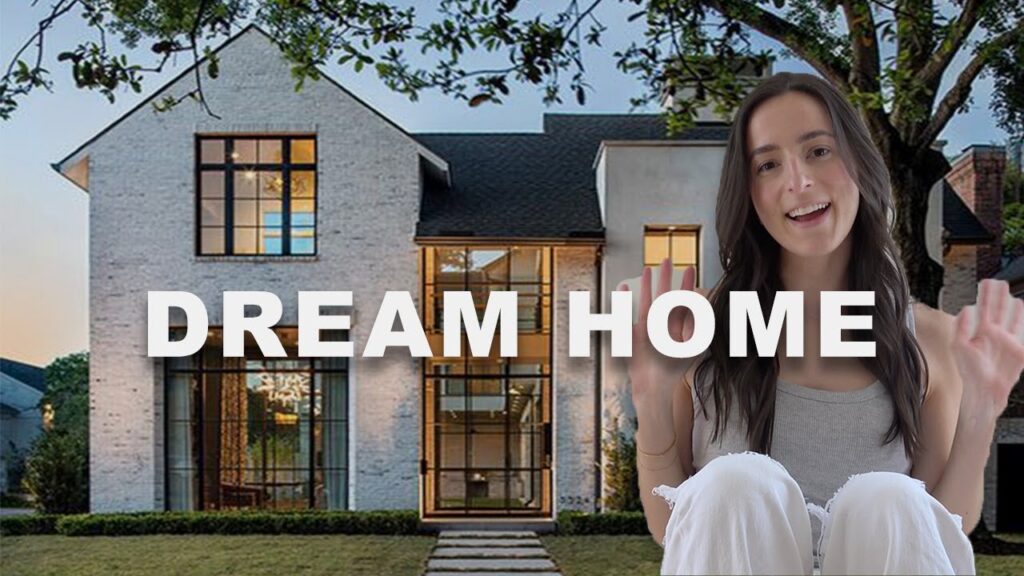
The Blueprint for Your Best Life
Designing your dream home is arguably the single most significant and deeply personal project you will ever undertake.
It’s more than just selecting materials and laying out a floor plan; it is the comprehensive act of translating your unique lifestyle, aspirations, and vision for the future into a physical, habitable structure.
The sheer scale and complexity from securing financing and choosing the perfect plot of land to selecting the last door handle can be overwhelming.
This authoritative guide breaks down the entire journey into essential, manageable phases, providing a detailed roadmap to successfully navigate the custom home design and construction process.
This article is crafted as a definitive resource, leveraging extensive detail and expert insights to serve readers searching for reliable, in-depth information on “custom home design,” “dream house blueprints,” and “luxury home building steps.”
Our goal is to empower you with the knowledge to make informed decisions at every turn, ensuring your final home is a sanctuary that perfectly reflects your personal narrative.
We will cover the critical pre-design phase, the iterative steps of architectural planning, the selection of modern, high-value fixtures and finishes, and the crucial final steps to transition from construction site to completed sanctuary.
The Foundational Planning Vision and Financial Reality
Before a single line is drawn by an architect, a successful custom home project is rooted in two unyielding pillars: a crystal-clear vision and a robust, non-negotiable budget.
Skipping this phase is the most common reason projects face costly delays and financial overruns.
A. Defining Your Core Vision and Programming
This is the creative genesis of your project. Begin by moving beyond simple aesthetic preferences and focusing on how you actually live. This is known in architecture as “Programming.”
A. Lifestyle Audit
Catalogue your daily routines. Do you host large gatherings? Work from home full-time? Need a dedicated wellness or exercise space? Is a seamless indoor-outdoor flow a priority? Documenting these details dictates the function of every space.
B. Future-Proofing
Consider your life five, ten, and twenty years from now. Will your family grow or downsize? Do you need accessible design features for aging in place?
Plan spaces that can easily evolve a nursery that becomes an office, or a media room that converts to an additional bedroom.
C. Architectural Style Agreement
While trends come and go, your architectural style should resonate deeply with you and the surrounding environment.
Establish a clear preference early whether it’s Modern Farmhouse, Mid-Century Modern, Contemporary, or Traditional.
B. Establishing the Non-Negotiable Financial Framework
Your budget is the ultimate constraint and guide. A robust financial plan must account for far more than just the raw construction cost.
A. The Total Cost Calculation
Your budget must cover: Land Acquisition (if not already owned), Professional Fees (architect, engineer, interior designer), Permits and Regulatory Fees, Construction Costs (materials and labor), Site Preparation (excavation, grading, utility hookups), and Interior Finishes/Furnishings.
B. The 10% to 20% Contingency Fund
This is paramount. Every custom build encounters unforeseen costs, from unexpected soil conditions on the land to price spikes in building materials. Allocating 10% to 20% of the total estimated construction cost as a contingency is standard, non-negotiable practice for a stress-free build.
C. Prioritization Matrix
Create a tiered list of all desired features “Must-Haves” (e.g., a specific kitchen layout, geothermal HVAC), “High-Priority Nice-to-Haves” (e.g., a wine cellar, custom millwork), and “Can-Be-Cut/Delayed” (e.g., high-end landscaping, specific luxury appliance brands). This matrix is your guide for Value Engineering making cost-effective material substitutions without sacrificing the core design integrity.
The Power of Team Selection and Site Acquisition
The people you hire and the land you choose are the most critical determinants of the project’s success and your overall experience.
A. Assembling Your Elite Design and Build Team
A custom build is a marathon managed by a cohesive team of professionals.
A. The Architect
Choose an architect whose portfolio aligns with your desired style and, critically, who listens to your programmatic needs. They are the artist who translates your vision into a technical blueprint. Their fee should be considered an investment that prevents costly design flaws during construction.
B. The Custom Home Builder
Select a builder based on their experience with projects of similar scope and complexity, financial transparency, and reputation for finishing on time and within budget. Their relationship with subcontractors is key.
A Construction Management model or Design-Build firm can offer integrated benefits.
C. The Specialty Consultants
Depending on the project, you may need a Structural Engineer (for complex load-bearing elements), a Geotechnical Engineer (for soil testing), and an Interior Designer (to manage the immense volume of finish and fixture selections).
B. Vetting and Acquiring the Perfect Land
The land is a permanent design element; its characteristics will fundamentally shape the home.
A. Topography and Orientation
Sloped land can mean higher foundation and excavation costs, but it may also offer superior views. Crucially, study the sun’s path throughout the year to maximize natural light and passive heating/cooling (a cornerstone of Sustainable Design).
B. Utility and Access
Verify the ease and cost of connecting to municipal utilities (water, sewer, gas, electricity). If using a septic tank or well, budget for the necessary permits and installation. Access roads must also be suitable for heavy construction equipment.
C. Zoning and Restrictions
Research local zoning ordinances, building codes, and any Homeowners Association (HOA) restrictions. These rules dictate the maximum height, setback distances, and sometimes even the acceptable architectural style or exterior materials, which can profoundly impact the final design.
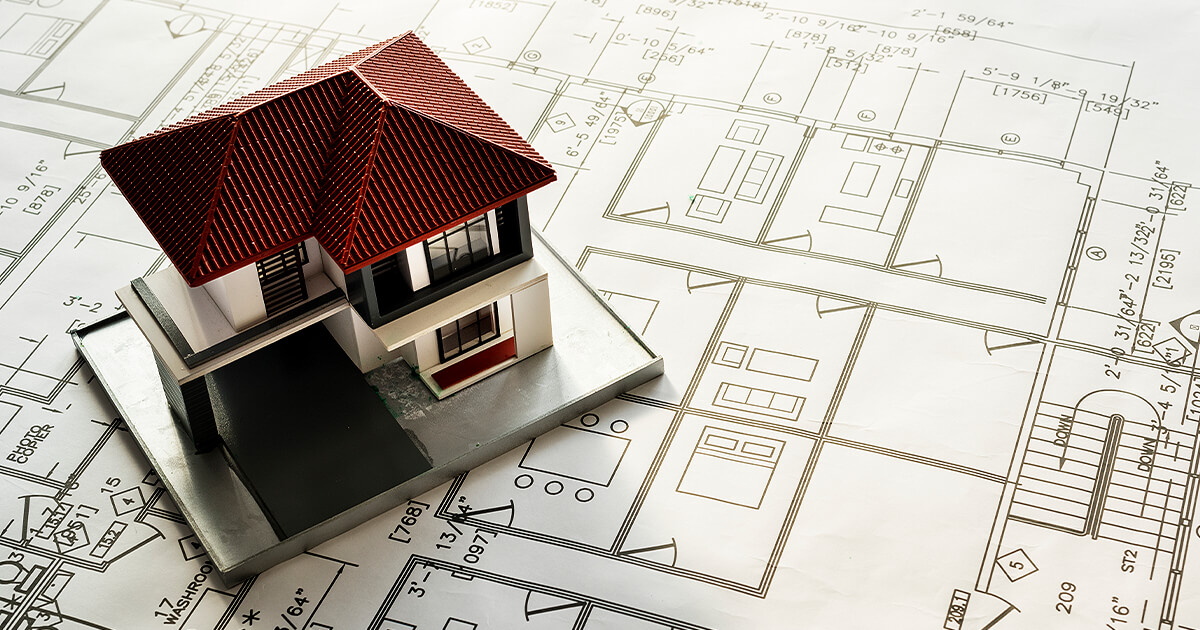
The Architectural and Technical Design Process
This is the phase where the ideas from Phase I are meticulously refined and translated into construction documents. It is an iterative process requiring patience.
A. Schematic Design and Floor Plan Development
The architect begins to sketch the overall form and function.
A. Conceptual Layouts
You will review various options for the floor plan and overall massing of the home. Focus on flow and traffic patterns, ensuring a logical, comfortable progression between living zones.
B. Room Relationships
Ensure the spatial relationships are correct. For example, the kitchen should be easily accessible from the garage for groceries and the dining area for serving. Sightlines are also critical what do you see when you enter a room or look out a window?
C. The Power of Light
The architect will model how natural light interacts with the spaces, using windows not just for views but as crucial design elements that animate the interior throughout the day.
B. Design Development and Construction Drawings (CDs)
The process moves from broad sketches to detailed, technical specifications.
A. Materiality and Systems
Final decisions are made on major systems: HVAC (Heating, Ventilation, and Air Conditioning), electrical layout, plumbing routing, and the choice of exterior materials (siding, roofing, windows). These decisions greatly impact both budget and energy efficiency.
B. Detailed Cross-Sections
The Construction Drawings (CDs) which can run to over fifty pages for a custom home include precise measurements, elevations, and detailed cross-sections showing exactly how the home is to be built, serving as the legally binding document for the builder.
C. Permit Submission
The finalized CDs are submitted to the local municipality for building permits. This waiting period can be lengthy and must be factored into the overall timeline.
The Selection of Finishes, Fixtures, and Smart Integration
This is the most exciting and often the most challenging stage, as it involves thousands of specific product decisions that define the home’s aesthetics and function. This is where you elevate your home with features that generate high-value.
A. High-Impact Interior Finish Selection
Work closely with your Interior Designer to create a cohesive palette. Prioritize areas that offer the highest Return on Investment (ROI) and daily satisfaction.
A. Kitchen and Bath Cabinetry
Choose durable, high-quality construction. Current trends favor English-style kitchens with woven or mesh cabinet fronts for texture, alongside oversized, multi-functional islands.
B. Flooring Materials
Consider the use and maintenance. Reclaimed timber and warm-toned wood floors offer timeless appeal. For wet areas, large-format, nature-inspired tile provides durability and a seamless look.
C. The Wellness Bathroom
Focus on creating a spa-like retreat. Features include large shower rooms, narrow wet rooms, and high-quality fixtures with integrated water-saving technology.
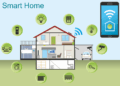
B. Integrating High-Value Smart Home Technology
Embedding smart technology during the construction phase is far more efficient and aesthetically clean than retrofitting later.
A. Integrated Smart Security
Install hardwired perimeter security systems, smart door locks, and surveillance cameras during the framing stage. This provides a clean, reliable, and central system for safety and access control.
B. Advanced Climate and Lighting Control
Utilize smart thermostats (like Nest or Ecobee) and whole-home smart lighting systems. These allow for zone control, scheduling, and remote management, dramatically improving energy efficiency and comfort.
C. Entertainment and Networking
Pre-wire for whole-home audio and ensure a robust, centralized location for networking equipment. Running ethernet cable to multiple locations provides vastly superior and reliable internet speeds compared to relying solely on Wi-Fi.
C. Embracing Sustainable and Wellness Design Trends (Biophilia)
Modern luxury is increasingly defined by a connection to nature and a focus on well-being.
A. Biophilic Design Elements
Incorporate natural elements like warm, dark, rich wood-infused architectural elements (beams, paneling, trim) and a palette of earthy colors and organic textures (limewashed walls, textured concrete). This design philosophy connects occupants to the natural world, promoting calm.
B. Energy Efficiency and Sustainable Materials
Prioritize low-VOC (Volatile Organic Compound) paints, recycled glass countertops, and reclaimed timber. Invest in high-efficiency windows and superior insulation to minimize your home’s long-term environmental footprint and operating costs.
C. Outdoor Living Zones
Design seamless transitions from indoor to outdoor space using sliding glass walls or multi-panel doors. Dedicate space for multiple outdoor cooking options, turning your patio or deck into a true extension of your kitchen and living area.
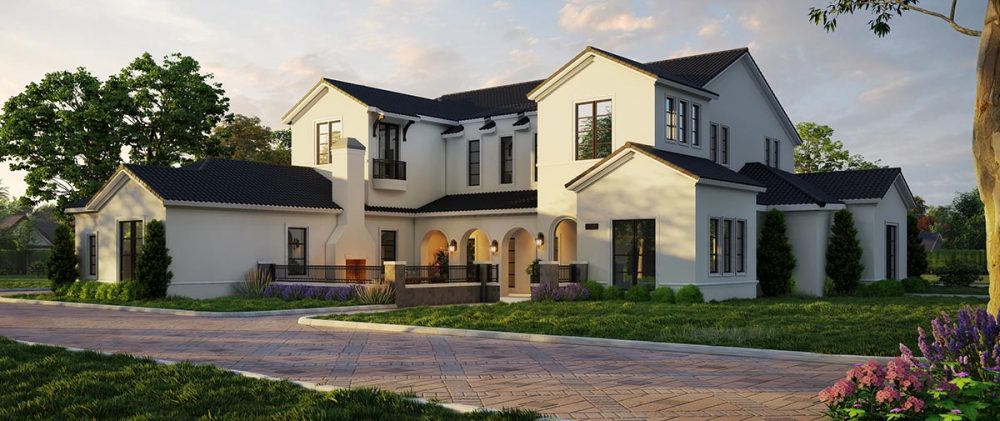
The Construction and Final Handover Process
With a finalized design and a clear budget, construction begins. Your role now shifts to oversight and regular communication.
A. Key Construction Milestones
The construction process generally follows a predictable series of milestones.
A. Site Preparation and Foundation
Clearing the site, excavating, pouring the footings, and installing the foundation. This is where site-specific costs (like rock blasting) may occur.
B. Framing and Roofing
Erecting the skeletal structure, which gives you the first real sense of the home’s scale and layout. The roof is installed to protect the structure from weather.
C. Rough-Ins (Mechanical, Electrical, Plumbing – MEP)
Installing all the hidden systems within the walls and ceilings before drywall goes up. Crucial Walkthrough: Do a mandatory walk-through with your builder to confirm the location of all light fixtures, outlets, switches, and plumbing fixtures before the walls are closed up.
D. Insulation and Drywall
Insulating the walls and ceilings (critical for energy performance) and hanging the drywall. E. Finishing Stages: Installing flooring, cabinetry, interior trim, paint, and final fixtures (lighting, faucets, hardware).
B. The Final Inspection and Walk-Through
As the project nears completion, a final, meticulous inspection is essential.
A. Punch List Creation
Conduct a detailed Final Walk-Through with your builder, noting any incomplete or flawed items (minor paint touch-ups, misaligned cabinet doors, faulty outlets). This document is the Punch List.
B. System Education
Your builder should provide a thorough education on operating all major systems the HVAC, smart home hub, security system, and major appliances.
C. Warranty and Documentation
Collect all warranties and operating manuals for every installed appliance and material. Understand the terms of your builder’s warranty and the process for submitting future claims.
Conclusion
Designing and building a custom home is an immense undertaking that demands significant investment, not just of capital, but of time and emotional energy.
However, by adhering to the methodical, five-phase process detailed here from solidifying your financial framework and visionary programming to selecting high-impact finishes and integrating smart technology you transform a complex construction project into a controlled, rewarding journey.
Your custom-designed home will stand as a testament to thoughtful planning and uncompromising execution. It is the definitive space, perfectly calibrated to your lifestyle, built to the highest standards of modern living, and poised to be your sanctuary for decades to come.
Armed with this knowledge, you are ready to confidently take the next step and begin the rewarding work of creating your forever home.