The Evolution of Affluent Residential Architecture
The definition of luxury in residential architecture has undergone a profound metamorphosis. It is no longer defined by sheer scale but by the depth of intentional design, ecological responsibility, and the seamless integration of intuitive technology. Today’s premium residences serve as highly controlled, sensory environments designed to optimize human performance and well-being.
This exhaustive analysis dissects the critical design currents influencing high-net-worth real estate, providing a technical and conceptual framework for understanding the next generation of custom homes. Architects, developers, and serious investors must recognize these shifts moving from transactional design to transformative living experiences to remain competitive in the ultra-luxury sector. The key drivers are sustainability, sensory engagement, and sophisticated, unobtrusive automation.
The Architectural Mandate: Deep Sustainability and Resilience
Environmental stewardship is now the cornerstone of true luxury, often surpassing mere compliance to achieve global benchmarks like the Living Building Challenge or Passivhaus standards. This commitment extends beyond energy efficiency to encompass material sourcing and water management.
A. Advanced Performance of the Building Envelope
The foundation of any high-performance luxury home lies in its envelope—the barrier between the conditioned interior and the external environment.
-
A. Thermal Bridge Mitigation: Employing advanced construction techniques, such as outboard insulation systems and isothermal concrete forms (ICFs), to completely eliminate thermal bridges, which are major culprits of heat loss and gain.
-
B. Air Barrier Integrity: Achieving ultra-low air changes per hour (ACH) ratings, often below 0.6 ACH @ 50 Pa, utilizing specialized membranes and sealant tapes to ensure maximum energy performance and prevent moisture migration.
-
C. High-Performance Glazing Systems: Specification of triple-pane, low-emissivity (Low-E) glass units filled with inert gases like Krypton or Argon. These specialized windows often feature dynamically tinted glass (electrochromic) that adjusts light transmission based on sun angle, optimizing interior climate control and glare reduction without manual intervention.
-
D. Durable and Resilient Materials: Selecting materials with extremely high service lives, such as zinc, copper, and self-healing concrete formulations, reducing the need for maintenance and replacement, aligning with a long-term sustainability lifecycle cost model.
B. Comprehensive Water and Resource Management
Luxury homes are integrating closed-loop water systems and resource recovery infrastructure.
-
A. Integrated Rainwater Harvesting: Designing elaborate underground cisterns for collecting and filtering rainwater, which is then used for irrigation, toilet flushing, and laundry, significantly reducing reliance on municipal supplies.
-
B. Advanced Greywater Recycling: Implementing decentralized greywater treatment systems to purify water from sinks and showers, allowing it to be reused on-site for non-potable applications.
-
C. Permeable Hardscaping: Utilizing materials like pervious concrete and specialized pavers in driveways and patios to manage stormwater runoff naturally, recharging local aquifers and minimizing erosion.
Sensory Architecture: Biophilia and Material Tactility
The wealthy are seeking homes that actively enhance mental and physical health. This is achieved through deliberate sensory design, emphasizing connection to nature (Biophilia) and the use of authentic, textured materials.
A. Engineered Biophilic Integration
Connecting occupants with natural systems on a measurable level.
-
A. Curated Viewsheds and Vistas: Architectural placement ensures primary living spaces frame specific natural features (trees, water, skyline), treating the view as an integrated piece of fine art. Window placement considers the Golden Ratio and sight lines for optimal visual flow.
-
B. Dynamic Natural Elements: Incorporating controlled elements like atrium water features for white noise and humidity control, and retractable glass roofs in specific zones to allow direct sun and air exposure.
-
C. Internal Flora Microclimates: Designing dedicated, climate-controlled greenhouses or orangeries within the residential footprint, often adjacent to main living areas, providing year-round access to a controlled natural environment.
B. The Renaissance of Artisanal Finishes
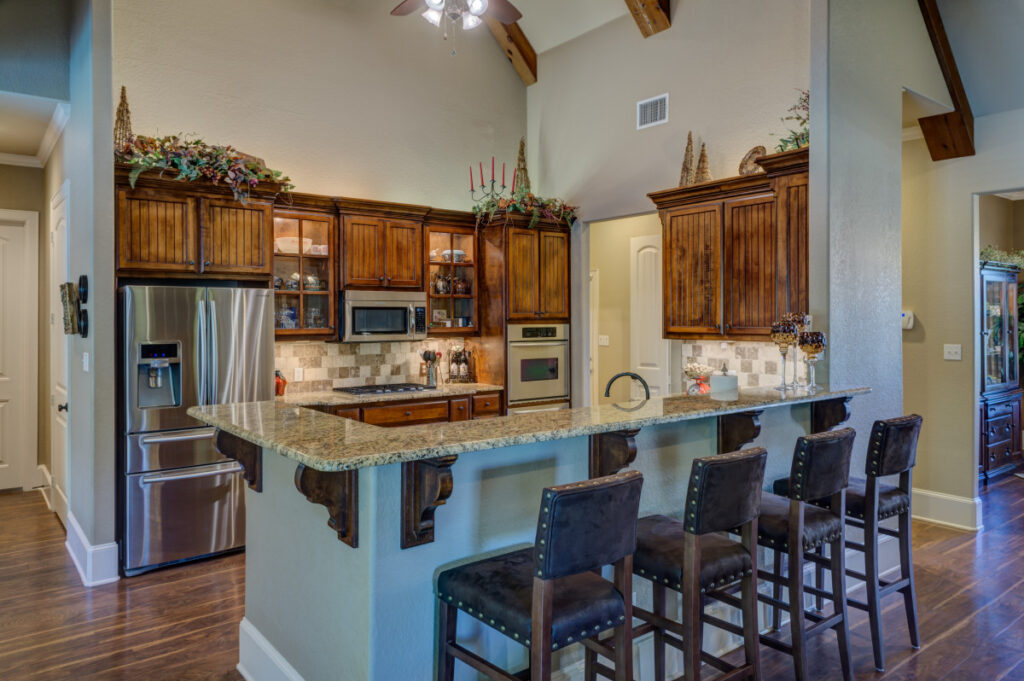
The shift is toward materials that exhibit depth, texture, and the touch of the artisan, moving away from mass-produced perfection.
-
A. Custom Plasterwork and Texture: Extensive use of specialized finishes like Marmorino (polished plaster), scagliola, or Japanese clay plaster, applied by master craftspeople, yielding unique, light-refracting surfaces.
-
B. Exotic and Reclaimed Timber: Specification of rare or FSC-certified reclaimed hardwoods (e.g., centuries-old barnwood or shipwreck timber) for flooring and cladding, valued for its inherent history and unique grain.
-
C. Patinated Metals and Oxide Finishes: Utilizing chemical treatments on metals (bronze, brass, steel) to accelerate the formation of patina or natural rust, embracing age and imperfection as elements of beauty. Hardware and railings are often custom-cast pieces.
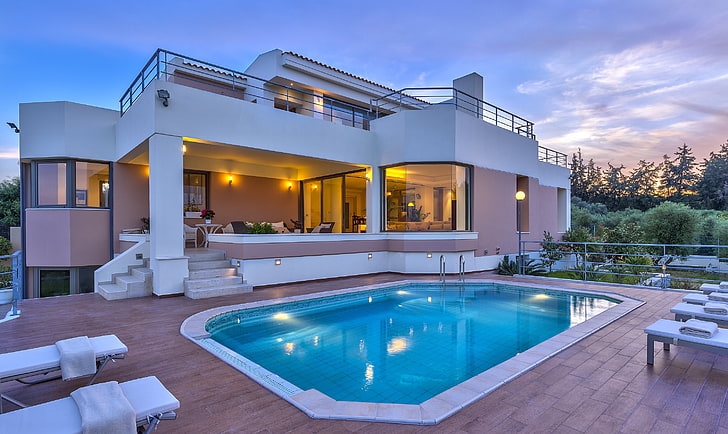
The Invisible Infrastructure: Hyper-Automation and Home Ecosystems
True luxury technology is felt, not seen. It disappears into the architecture, operating proactively to manage comfort, security, and utility, often leveraging machine learning.
A. Sophisticated Environmental Control
Managing the atmosphere within the residence to micro-standards.
-
A. Integrated Air Quality Monitoring (IAQM): Utilizing continuous sensors to monitor volatile organic compounds (VOCs), CO2 levels, particulate matter (PM2.5), and humidity. Systems automatically initiate filtration, ventilation, or dehumidification protocols to maintain optimal levels for health and cognitive function.
-
B. Advanced HVAC Zoning: Implementing Variable Refrigerant Flow (VRF) or hydronic radiant heating/cooling systems, allowing precise temperature control for individual rooms or even sections of a room, often tied into a centralized Building Management System (BMS).
-
C. Acoustic Isolation and Control: Designing spaces with specialized sound-dampening materials (e.g., mass-loaded vinyl, double-wall construction, acoustic ceiling panels) to achieve Noise Criteria (NC) ratings suitable for recording studios in private offices and bedrooms.
B. Seamless, Context-Aware Automation (CASA)
The next level of smart home technology operates based on presence, time, and learned user preference.
-
A. Predictive Lighting Sequences: Lighting systems that learn the owner’s daily rhythm, automatically preparing a “wake-up” sequence in the bedroom or a “dinner prep” scene in the kitchen, without requiring manual input.
-
B. Biometric and Near-Field Access: Utilizing retinal scans or fingerprint access readers concealed within door handles or wall panels for keyless and secure entry, linked to the home’s security and automation profile.
-
C. Dedicated Network Architecture: Installation of enterprise-grade, segregated network systems (data, voice, security, media) with robust fiber-optic backbones and automated failovers, ensuring zero downtime for critical systems and high-speed connectivity throughout the property.
The Customized Program: Experiential and Specialized Spaces
The architecture reflects the owner’s highly specific passions and needs, creating spaces that go far beyond conventional rooms.
A. Holistic Wellness Centers
These are purpose-built spaces dedicated to physical and mental optimization, not just exercise.
-
A. Flotation and Sensory Deprivation Tanks: Integrating custom-tiled or fiberglass tanks for complete sensory rest and relaxation, requiring specialized plumbing and water treatment systems.
-
B. Cryotherapy and Hyperbaric Chambers: Installation of personal-sized medical-grade equipment for advanced recovery, demanding significant electrical and ventilation infrastructure.
-
C. Hydrotherapy Suites: Incorporating multi-jet steam showers with aromatherapy infusion and specialized contrast hydrotherapy protocols (cold/hot immersion).
B. The Next-Generation Garage and Asset Showroom
The garage is evolving into a climate-controlled gallery for collectible vehicles or equipment.
-
A. Automated Vehicle Stacking Systems: Using sophisticated hydraulic car lifts and turntable systems to maximize storage density while showcasing vehicles in a gallery setting.
-
B. Specialized Workshop and Detailing Bays: Including dedicated ventilation, lighting (e.g., high-CRI LED panels for color correction), and utility hookups for vehicle maintenance and detailing.
-
C. Private Museum and Collection Spaces: Designing areas with archival environmental controls (temperature and humidity) for art, jewelry, or rare books, often integrated with the home’s primary security vault.
Adaptive Architecture and Future-Proofing Design
Luxury structures are being designed for longevity and the inevitable evolution of family dynamics and technology.
A. Modular Interior Planning
Designing non-load-bearing interior walls and utilizing modular utility systems to allow for rapid, non-structural reconfiguration of floor plans over time.
-
A. Pre-Wired Conduits and Access Panels: Installing extensive home run wiring and oversized conduit pathways during construction, anticipating future technological upgrades (e.g., fiber to the room, new sensor integration).
-
B. Universal Design Principles: Incorporating subtle accessibility features, such as zero-threshold entries, blocking for future grab bars, and consideration for elevator shaft space, ensuring the home remains functional for occupants across all ages and mobility levels.
B. Designing for Remote Work and Education Hubs
The new home office is a strategic asset, often with a dedicated power backup and communication line.
-
A. Independent Infrastructure: Equipping the office suite with its own uninterruptible power supply (UPS) and a redundant internet connection (e.g., separate fiber line or satellite backup) to ensure business continuity.
-
B. Collaboration Studios: Incorporating small, dedicated studios with professional lighting grids, acoustic treatments, and video wall integration for high-level virtual meetings or content creation.
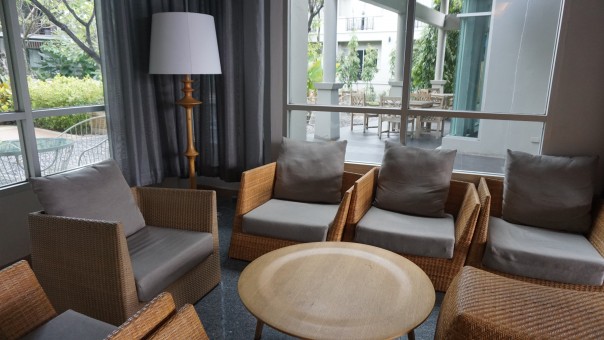
Conclusion
The emergent trends in luxury home design underscore a unified philosophy: architecture as a tool for elevating human life. By embracing deep sustainability, engaging the senses through rich materials and biophilic integration, and implementing intuitive, invisible technology, contemporary architects are creating residences that are profoundly responsive to their occupants. These homes are resilient, hyper-personalized, and optimized for health and longevity. The investment today is not merely in square footage, but in a bespoke environment that offers uncompromised quality of life and enduring architectural value. This intentional, holistic approach solidifies the future direction of the ultra-high-end residential market globally.