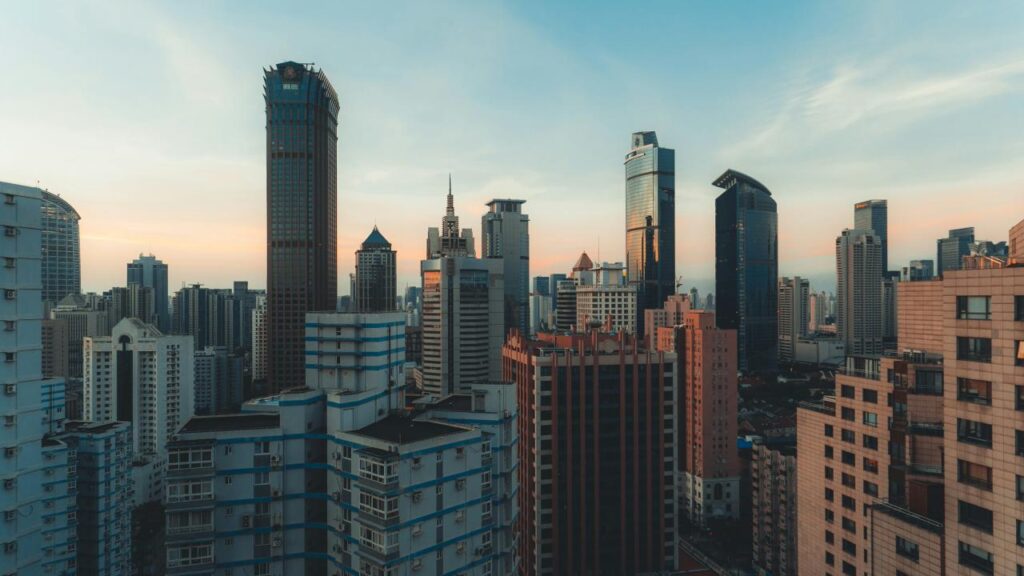
The global architectural landscape is currently undergoing a radical metamorphosis that challenges our traditional understanding of how massive buildings interact with the environment. For over a century, skyscrapers have been synonymous with immense energy consumption, acting as glass-and-steel giants that drained local power grids and contributed significantly to carbon emissions. However, as the climate crisis intensifies, a new generation of structural engineers and visionary architects is rewriting the rules of high-rise construction to create “Net-Zero” landmarks.
These incredible structures are no longer passive consumers of electricity; instead, they are being designed as vertical power plants that can generate more energy than they consume. Achieving this feat requires a sophisticated blend of cutting-edge materials, aerodynamic design, and advanced renewable energy systems integrated directly into the building’s skin. We are moving away from the era of “greenwashing” into an age of authentic energy-positive engineering that transforms the city skyline into a functional ecosystem.
This shift is not just about saving the planet; it is about creating resilient urban centers that can survive and thrive in an unpredictable energy market. This article explores the hidden engineering marvels and the revolutionary technologies that allow these modern cathedrals of glass to give back to the world more than they take.
The Foundation of Net-Zero Engineering
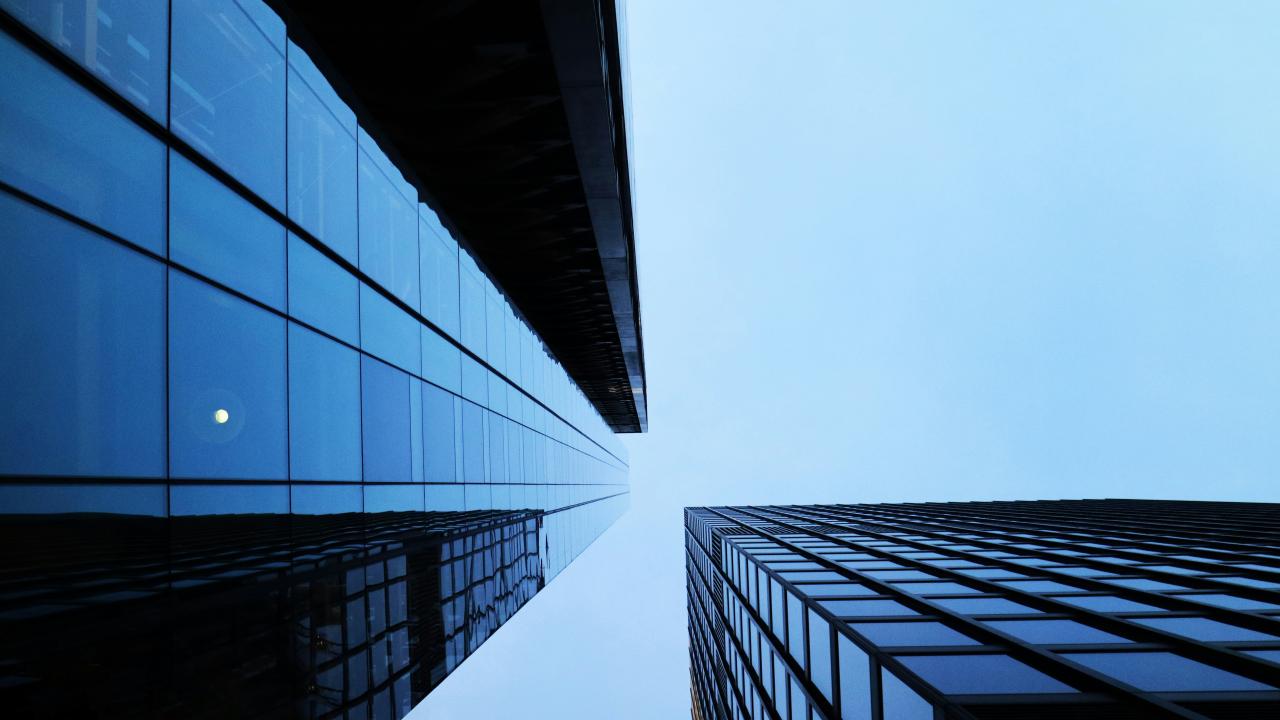
To reach a net-zero status, engineers must first focus on “passive” strategies that reduce the building’s energy demand to the absolute minimum. This begins with the building’s orientation and its “thermal envelope,” which acts as a high-tech barrier against the outside elements. By using advanced insulation and triple-glazed windows, a skyscraper can maintain a stable internal temperature without relying heavily on heaters or air conditioners.
The shape of the building also plays a crucial role in its energy efficiency, as aerodynamics can reduce the “wind load” and heat gain from the sun. Modern software allows architects to simulate sun paths throughout the year to place windows and shading devices with mathematical precision. This ensure that the building uses natural light to its advantage while blocking the harsh afternoon heat.
A. High-performance glazing systems utilize low-emissivity coatings to reflect infrared light while allowing visible light to pass through.
B. Phase-change materials (PCMs) are often embedded in walls to absorb heat during the day and release it at night, stabilizing the indoor climate.
C. Vacuum insulation panels offer ten times the thermal resistance of traditional materials, allowing for thinner but more effective walls.
D. Strategic building orientation maximizes “solar gain” during winter months while providing natural shading during the summer peak.
E. Thermal bridge cooling involves using specialized structural breaks to prevent heat from leaking through the metal frame of the building.
Vertical Power Plants: Solar and Wind Integration
The most visible change in net-zero skyscrapers is the integration of renewable energy systems directly into the architectural design. Traditional solar panels on the roof are no longer enough for a building with fifty or more floors; instead, the entire facade is becoming a power-generating surface. This technology, known as Building-Integrated Photovoltaics (BIPV), allows every window and wall panel to collect sunlight.
Wind energy is also being harnessed in creative ways that were once thought impossible for urban environments. Some skyscrapers are designed with “wind tunnels” or gaps in the middle of the structure where large turbines are placed to catch high-altitude gusts. This combination of solar and wind ensures that the building has a constant stream of clean energy regardless of the weather conditions.
A. Crystalline silicon cells are being replaced by transparent solar windows that generate electricity without blocking the view for tenants.
B. Vertical-axis wind turbines (VAWTs) are preferred for skyscrapers because they can capture wind from any direction and operate quietly.
C. Kinetic facades are being developed that can physically move to track the sun or capture the optimal wind angle for energy production.
D. Perovskite solar cells offer a flexible and lightweight alternative to traditional panels, making them easier to install on curved surfaces.
E. Micro-grid systems within the building manage the distribution of self-generated power, storing excess energy in massive basement batteries.
Geothermal Cooling and Ground-Source Heat Pumps
While the surface of the building catches the sun and wind, the ground beneath the skyscraper offers a different kind of energy treasure. Geothermal energy systems use the constant temperature of the earth to help cool and heat the building with incredible efficiency. By drilling deep “boreholes” beneath the foundation, engineers can tap into a thermal battery that never runs out.
During the summer, the building pumps excess heat deep into the ground to keep the interior cool; in the winter, it pulls that heat back up to keep the residents warm. This system is significantly more efficient than traditional rooftop chillers because it moves heat rather than creating it through combustion or heavy electricity use. It is a silent, invisible, and highly effective part of the net-zero puzzle.
A. Closed-loop geothermal systems circulate a fluid through underground pipes to exchange heat with the surrounding earth.
B. Ground-source heat pumps use a compressor to concentrate the earth’s natural warmth for use in the building’s heating system.
C. Thermal energy storage (TES) tanks can store cold water or ice produced at night to assist with cooling during the hot daytime hours.
D. Radiant floor heating and cooling systems provide a more comfortable and energy-efficient way to manage the indoor temperature.
E. Deep-well heat exchangers can reach depths of several kilometers to access even higher temperatures for larger-scale energy needs.
Smart Building Management Systems (BMS)
A net-zero skyscraper is essentially a giant robot that needs a “brain” to manage its complex energy systems in real-time. This is where Artificial Intelligence (AI) and Smart Building Management Systems come into play. These systems monitor thousands of sensors across the building, from CO2 levels in the lobby to the light intensity on the 40th floor.
The BMS can automatically dim lights in unoccupied rooms, adjust the tilt of window blinds to block the sun, and even predict when a machine needs maintenance. By constantly optimizing every single light bulb and motor, the AI can reduce the building’s total energy footprint by another fifteen to twenty percent. This “digital layer” is what makes the mechanical engineering of the building truly energy-positive.
A. Occupancy sensors use infrared technology to detect human presence and automatically turn off power to unused areas.
B. Machine learning algorithms analyze historical weather data to predict the building’s energy needs for the following day.
C. Automated blind systems adjust their angle every few minutes to maintain the perfect balance between natural light and heat gain.
D. Predictive maintenance identifies friction in elevators or fans before they break, ensuring the building always operates at peak efficiency.
E. Energy dashboards provide tenants with real-time feedback on their power usage, encouraging a culture of sustainability within the tower.
The Role of Water Recycling and Energy Recovery
Energy is not the only resource that needs to be managed; water and waste are also critical parts of the net-zero equation. High-rise buildings produce a massive amount of “graywater” from sinks and showers, as well as “blackwater” from toilets. Instead of sending this to the city sewer, net-zero buildings treat and reuse this water on-site.
Furthermore, “energy recovery ventilation” (ERV) systems are used to capture the heat from the air that is being pumped out of the building. This heat is then used to warm up the fresh air coming in, ensuring that the energy spent on climate control is never truly wasted. This circular approach to resources is what defines a truly sustainable landmark.
A. On-site wastewater treatment plants use biological filters and UV light to clean water for use in toilets and irrigation.
B. Rainwater harvesting systems collect water from the roof and facade to be stored in massive cisterns for non-potable use.
C. Heat exchangers in the plumbing system can recover warmth from hot shower water to pre-heat the building’s boiler system.
D. Dual-plumbing systems separate recycled water from drinking water, ensuring a safe and efficient distribution network.
E. Low-flow fixtures and smart faucets reduce the total water demand of the building by more than forty percent.
The Rise of Mass Timber in High-Rises
While the systems inside the building are important, the materials used to build it also have a “carbon cost.” Traditional concrete and steel production are responsible for a huge portion of global CO2 emissions. To combat this, many net-zero projects are now using “Mass Timber” or Cross-Laminated Timber (CLT) as a structural material.
Wood is a renewable resource that actually stores carbon rather than emitting it during production. Modern mass timber is fire-resistant, incredibly strong, and much lighter than concrete, which reduces the energy needed for the foundation and transportation. Building a skyscraper out of wood is no longer a fantasy; it is a proven engineering path toward a carbon-positive future.
A. Carbon sequestration occurs as the wood used in the building’s frame continues to store the CO2 the tree absorbed while growing.
B. Modular timber construction allows for faster building times and less waste on the construction site.
C. Fire-rated timber panels char on the outside during a fire, creating a protective layer that keeps the structural core safe.
D. Pre-fabricated CLT panels are cut with millimeter precision using CNC machines, ensuring a perfect and airtight fit.
E. Hybrid structures combine timber with a small amount of steel or concrete to achieve the height needed for modern skyscrapers.
Challenges: Cost and Regulatory Hurdles
Despite the clear benefits, building an energy-positive landmark is not without its challenges. The initial “capital expenditure” for a net-zero skyscraper is significantly higher than a traditional one due to the expensive technology and materials. Convincing developers to pay more upfront for a building that will only save money over twenty years can be a difficult sell.
There are also regulatory hurdles, as many city building codes were written for a different era of construction. Some laws actually make it difficult for buildings to share their excess energy with the city grid or to recycle water on-site. However, as more successful “proof of concept” buildings are completed, these legal and financial barriers are slowly beginning to crumble.
A. Return on Investment (ROI) models are being redesigned to include the long-term value of carbon credits and energy independence.
B. Green building certifications like LEED Platinum and the Living Building Challenge are becoming the new standard for prestige.
C. Tax incentives for renewable energy installation are helping to bridge the gap between traditional and net-zero construction costs.
D. Public-private partnerships are being formed to fund the most ambitious energy-positive projects in major cities.
E. Professional training for architects and engineers is shifting to prioritize sustainable systems as a core requirement for licensure.
The “Net-Positive” Impact on the City Grid
The ultimate goal of a net-zero skyscraper is to become “Net-Positive,” meaning it generates so much power that it can feed electricity back into the surrounding neighborhood. Imagine a city where a cluster of skyscrapers acts as a power plant for the smaller homes and businesses nearby. This decentralizes the energy grid and makes the entire city more resilient to power outages.
During a heatwave, these landmarks can use their stored battery power to help stabilize the local grid, preventing blackouts for everyone. They become “prosumers”—both producers and consumers of energy—playing an active role in the city’s survival. This transformation turns the skyscraper from an environmental villain into a civic hero.
A. Virtual Power Plants (VPPs) coordinate the energy output of multiple green buildings to act as a single large-scale utility.
B. Bidirectional energy meters allow buildings to sell their excess solar and wind power back to the utility company at a profit.
C. Energy sharing between buildings allows a residential tower to use the excess heat from a nearby data center.
D. Grid-forming inverters allow these buildings to maintain power for their neighbors even if the main city grid fails.
E. Community energy storage projects use the massive batteries in skyscraper basements to provide backup for the whole block.
The Psychology of Sustainable Landmarks
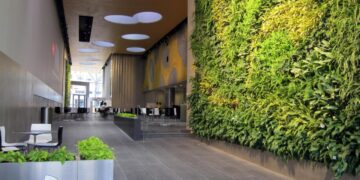
Living and working in a net-zero skyscraper has a profound psychological impact on the occupants. There is a sense of pride and “purpose” that comes from being part of a building that is helping to heal the planet. These buildings often feature “biophilic” designs, with indoor forests and natural ventilation that make the air feel fresher and the light feel softer.
Studies have shown that employees in green-certified buildings are more productive and have lower rates of absenteeism. The “Net-Zero” label is no longer just a technical specification; it is a lifestyle choice that attracts the world’s most innovative companies and residents. The skyscraper is becoming a place of wellness rather than just a place of work.
A. Indoor air quality (IAQ) monitoring ensures that tenants are always breathing air with low CO2 and pollutant levels.
B. Daylight harvesting reduces the need for artificial light, which has been shown to improve the circadian rhythms of workers.
C. Natural cooling sounds, like the movement of air or the flow of recycled water, create a more peaceful acoustic environment.
D. Communal garden spaces on high floors provide a connection to nature that is often missing in urban high-rise living.
E. Educational displays in the lobby show residents exactly how much energy the building is generating at any given moment.
Conclusion
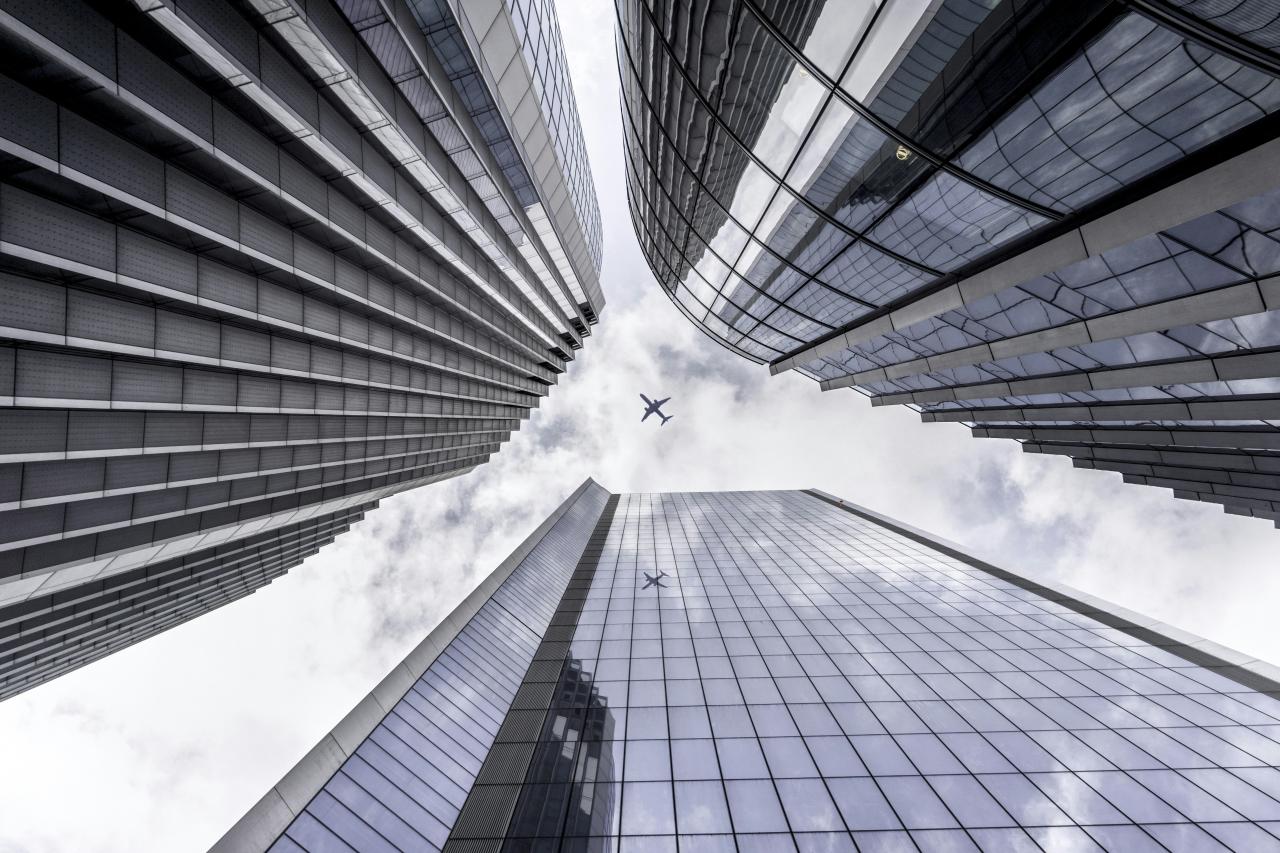
The net-zero skyscraper is a testament to human ingenuity in the face of our greatest environmental challenges.
Engineering these massive vertical structures to be energy-positive is a task that requires perfect harmony between technology and nature.
We are moving past the time when buildings were simply dead objects made of concrete and steel.
The skyscrapers of 2026 are living, breathing entities that interact dynamically with the sun, the wind, and the earth.
Every new landmark that achieves a net-zero rating is a blueprint for the sustainable cities of our future.
The cost of inaction is far higher than the investment required to build these revolutionary energy-positive towers.
Innovation in solar glass and wind harvesting is making it possible to power our urban lives without fossil fuels.
Our cities are transforming into functional ecosystems where every building contributes to the health of the planet.
A single net-zero skyscraper can inspire an entire generation of architects to dream of a cleaner and brighter world.
The engineering behind these landmarks is the foundation upon which we will build a truly carbon-neutral civilization.
Let us continue to reach for the clouds, ensuring that our highest achievements are also our most sustainable ones.