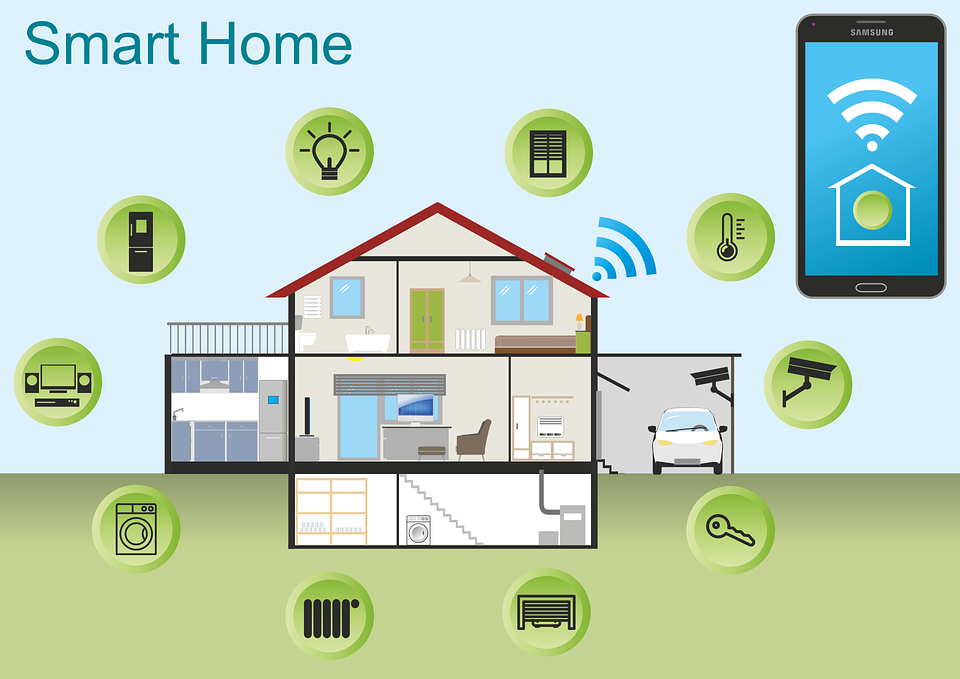
The concept of the smart home, once confined to the realm of futuristic science fiction narratives and prohibitively expensive, custom-installed luxury systems, has decisively transitioned into an accessible, practical, and rapidly expanding segment of consumer technology, fundamentally redefining how occupants interact with their immediate living environment and manage the essential functions of their dwellings.
This profound shift is powered by the relentless convergence of widespread, reliable internet connectivity, the dramatic miniaturization and cost reduction of powerful sensors and microprocessors, and the increasing sophistication of artificial intelligence (AI) and machine learning algorithms, enabling ordinary household objects to achieve a previously unimaginable degree of seamless digital awareness and responsive automation.
Moving beyond the simple convenience of voice-controlled lighting, the truly modern connected home operates as a carefully orchestrated intelligent ecosystem, where formerly isolated devices—such as thermostats, door locks, entertainment centers, and window shades—engage in continuous, real-time communication, making proactive, data-driven decisions that anticipate human needs and optimize resource consumption without direct manual intervention.
Therefore, embarking on the journey of building a smart home is not merely about acquiring a collection of disparate gadgets; it represents a commitment to implementing a cohesive, unified technological framework designed to enhance daily security, drastically improve energy efficiency, and provide an unparalleled level of comfort and customizable control over the physical space, ultimately turning the mundane operational tasks of a house into a streamlined, automated experience.
Pillar 1: Establishing the Foundation and Core Hubs
A smart home requires a stable, centralized core to ensure all devices can communicate reliably and efficiently. This foundation is crucial before adding advanced features.
A. The Network: The Unsung Hero
The reliable home network is the single most critical component of the smart home.
-
Robust Wi-Fi Coverage: Every smart device relies on the Wi-Fi network; therefore, ensuring strong, consistent signal coverage in every room, garage, and even outdoor space is non-negotiable for system reliability.
-
Mesh Network Solutions: For larger homes or properties with thick walls, a mesh Wi-Fi system is highly recommended, as it uses multiple interconnected access points to eliminate dead zones, ensuring stable connections everywhere.
-
Dedicated Bandwidth: Since smart devices add constant traffic, using a modern router capable of handling numerous devices and prioritizing bandwidth for mission-critical tasks (like video streaming or security cameras) is essential for smooth operation.
B. The Central Brain: Voice Assistants and Hubs
A single, centralized control point simplifies interaction and automation.
-
Voice Assistant Integration: Devices like Amazon Echo (Alexa) or Google Home/Nest serve as the primary interface, allowing users to control devices, trigger routines, and receive information using simple voice commands.
-
Protocol Translators: Dedicated hubs (often integrated into voice assistants or separate units like Samsung SmartThings) are necessary to translate communication standards like Zigbee and Z-Wave into the Wi-Fi signals your router understands.
-
Local Control: Investing in a hub that supports local device control (processing commands within the home network instead of routing them through the cloud) ensures faster response times and maintains functionality even during internet outages.
C. Understanding Communication Protocols
Different devices speak different technical “languages” to conserve power and maximize range.
-
Wi-Fi (High Bandwidth): Best for devices that require high-speed data transfer (e.g., smart TVs, security cameras, video doorbells). It consumes more power and can quickly clutter the network.
-
Zigbee and Z-Wave (Low Power): These mesh network protocols are ideal for small, battery-powered sensors(door, window, temperature) and light switches, offering excellent range and reliability while minimally taxing the main Wi-Fi network.
-
Bluetooth Low Energy (BLE): Primarily used for device setup, proximity-based triggers, and controlling smaller gadgets within a short range, offering very low power consumption.
Pillar 2: Core Areas of Smart Home Automation
Once the foundation is set, specific areas of the home can be automated to maximize daily convenience and function.
A. Lighting and Illumination
The most popular and often easiest area to automate, offering massive aesthetic and functional benefits.
-
Smart Bulbs: These are the easiest entry point, allowing color, brightness, and scheduling control directly through an app or voice command. They are ideal for renters or simple setups.
-
Smart Switches and Dimmers: For a more permanent, reliable solution, replacing the wall switch provides control over any bulb type (even non-smart ones) and maintains physical switch functionality, which is critical for guests.
-
Presence and Motion Sensing: Lights can be programmed to automatically turn on when motion is detected in a room and turn off after a set period of inactivity, eliminating unnecessary energy usage.
B. Climate Control and Energy Management
Automating the heating and cooling systems for maximum efficiency and savings.
-
Learning Thermostats (Nest, Ecobee): These devices learn the household’s behavioral patterns (when people are home, when they sleep) and automatically adjust the temperature schedule for optimal comfort and reduced energy waste.
-
Zoning and Room Sensors: Using remote temperature sensors placed in different rooms allows the system to prioritize comfort in the most occupied areas, preventing overheating or overcooling unused spaces.
-
Geofencing Automation: The system can use the occupants’ smartphone location (geofencing) to automatically switch to an “Away” mode when the last person leaves the perimeter and return to a comfortable temperature just before the first person arrives.
C. Entertainment and Media
Creating seamless, centralized access to audio and visual media throughout the home.
-
Multi-Room Audio: Smart speakers (Sonos, Google Nest) allow music to be synchronized and played throughout every room in the house, controlled via voice or a centralized app interface.
-
Smart TVs and Streaming Integration: Devices like Apple TV, Roku, or Fire Stick integrate with the smart home ecosystem, allowing users to launch content, adjust volume, and power off the entire entertainment system using a single voice command.
-
Automated Scenes: A “Movie Night” scene can be programmed to dim the lights, lower the smart blinds, turn on the TV, and adjust the soundbar volume simultaneously with a single command or press of a button.
Pillar 3: Security and Access Control
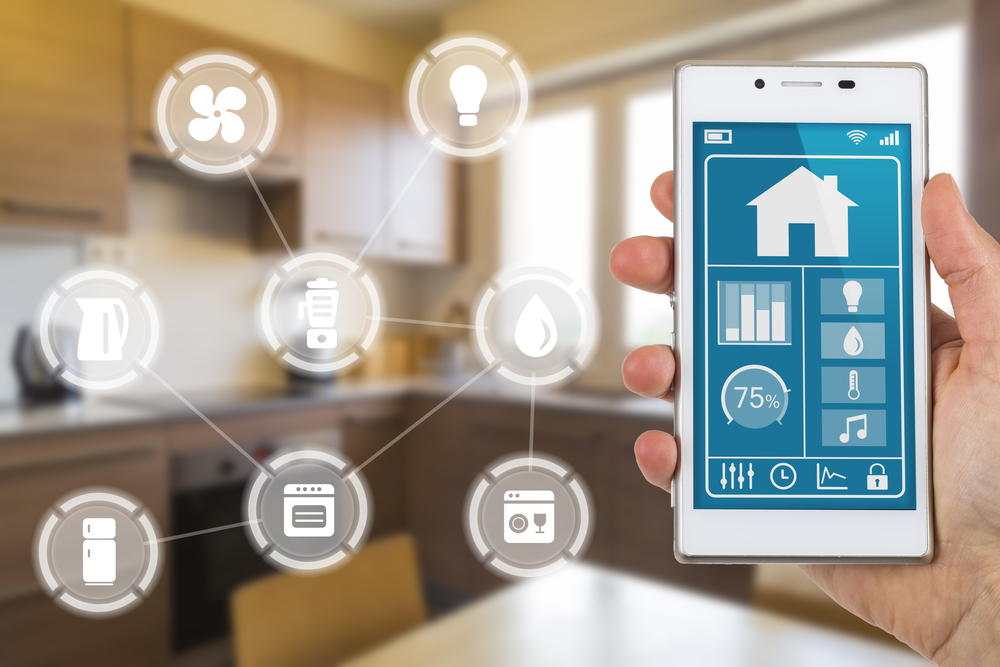
Integrating smart technology provides an enhanced, proactive level of safety and remote monitoring for the home.
A. Smart Locks and Keyless Entry
Controlling who enters and when, without the need for physical keys.
-
Remote Access: Smart locks allow homeowners to lock and unlock doors remotely from anywhere in the world using a smartphone app, useful for letting in repair personnel or guests.
-
Temporary Access Codes: Unique, time-limited access codes can be generated for dog walkers, cleaners, or Airbnb guests, which automatically expire after their scheduled visit, enhancing security.
-
Activity Logs: The lock provides a detailed log of who entered and when, offering peace of mind and accountability for every entry and exit from the property.
B. Video Monitoring and Doorbells
Achieving real-time, remote visibility into the home’s perimeter.
-
Video Doorbell Functionality: These devices provide a wide-angle video feed of the front door and send instant notifications when motion is detected or the bell is pressed, allowing two-way communication with visitors from a smartphone.
-
Perimeter Cameras (Indoor/Outdoor): High-definition cameras placed strategically provide $24/7$ surveillance with advanced features like facial recognition, package detection, and night vision capabilities.
-
Cloud Storage and Subscription: Many camera systems require a monthly subscription fee for storing video history in the cloud, a necessary but recurring cost that must be factored into the overall security budget.
C. Alarms and Environmental Sensors
Protecting against fire, water, and intrusion beyond standard systems.
-
Connected Smoke/CO Alarms: Alarms like Google Nest Protect not only sound a loud alarm but also send instant smartphone notifications when smoke is detected, specifying the room where the incident occurred.
-
Water Leak Sensors: Small, battery-powered sensors placed near appliances (washers, water heaters) detect the presence of moisture and instantly alert the homeowner, potentially preventing catastrophic water damage.
-
Siren Integration: The entire system should be able to trigger a coordinated response, such as flashing lights, sounding a central siren, and notifying a professional monitoring service if an intrusion is detected.
Pillar 4: The Power of Home Automation and Routines
The true magic of a smart home lies in creating complex, multi-device actions triggered by simple events.
A. IFTTT and Webhooks
Connecting disparate devices and services through conditional logic.
-
“If This, Then That” (IFTTT): This is a simple, cloud-based programming tool that allows users to create simple conditional statements (applets) linking two otherwise unrelated devices. For example: “If my fitness tracker detects I’m asleep, then turn off the living room lights.”
-
Complex Automation Builders: Platforms like Home Assistant, Hubitat, or manufacturer apps (e.g., Alexa Routines) allow for the creation of multi-step, sophisticated sequences based on time, sensor data, or voice commands.
-
Delayed and Sequential Actions: Routines enable precise sequencing of events, such as ensuring the front door is locked 30 seconds after the garage door closes, or slowly raising the bedroom blinds 10 minutes before the alarm sounds.
B. Geofencing and Time-Based Triggers
Automating the home based on occupant location and the time of day.
-
The “Welcome Home” Routine: When the phone crosses the geofence perimeter, the system can disarm the security system, turn on the entryway light, and start playing a preferred music playlist automatically.
-
Sunrise/Sunset Automation: Lights, blinds, and even lawn sprinklers can be precisely tied to the local sunrise and sunset times, which automatically adjust daily throughout the year, removing the need for seasonal adjustments.
-
Conditional Scheduling: Automation can be made context-aware: “Only run the coffee maker at 6:00 AM on weekdays if the temperature outside is below 20°C.”
C. Voice Command Efficiency
Creating shortcuts to manage complex settings easily.
-
Custom Voice Scenes: Instead of saying “Alexa, turn off the kitchen light, dim the living room light to 20%, and turn on the fireplace,” a single custom phrase like “Goodnight, Home” can be programmed to execute all these steps simultaneously.
-
Guest Mode: A simple command can instantly turn off sensitive security features (like indoor cameras), activate generic guest Wi-Fi, and set common area lighting to default, welcoming visitors without compromising privacy.
-
Feedback and Confirmation: Advanced routines can be programmed to verbally confirm the status of critical devices, such as announcing, “All doors and windows are now closed and locked,” after a “Leaving Home” command.
Pillar 5: Navigating Privacy, Security, and Future Proofing
The digital home requires careful consideration of data, vulnerability, and long-term device commitment.
A. Privacy and Data Security
Protecting sensitive, deeply personal household data from compromise.
-
Strong Password Practices: Every single smart device and the primary hub must be protected with unique, complex passwords to prevent unauthorized access.
-
Network Segmentation: Using a separate, dedicated Wi-Fi network (or VLAN) for all smart devices (the IoT network) isolates them from the main personal computers and financial data, mitigating the risk of widespread security breaches.
-
Reviewing Privacy Policies: Before purchasing, users must read and understand the privacy policies of manufacturers to know what data (video, audio, location) is being collected, how it is used, and where it is stored.
B. Compatibility and Standards
Ensuring devices purchased today will work with future technologies.
-
The Matter Standard: The adoption of the Matter standard is critical for future-proofing. This new industry-wide communication protocol aims to ensure that devices from major manufacturers (Apple, Google, Amazon) can reliably work together.
-
Avoiding “Walled Gardens”: While tempting, relying entirely on a single manufacturer’s proprietary ecosystem can limit future choices and prevent integration with innovative devices from smaller third parties.
-
Open Source Options: Platforms like Home Assistant provide an open-source, flexible alternative that allows for maximum customization and integration of virtually any device, regardless of manufacturer, at the cost of complexity.
C. Troubleshooting and Maintenance
Developing a strategy for when things inevitably go wrong in the complex ecosystem.
-
System Documentation: Creating a simple document listing all device names, IP addresses, and login credentials simplifies troubleshooting when a single component fails to communicate.
-
Regular Software Updates: Setting up automatic or regular manual checks for software and firmware updates is vital, as updates often contain critical security patches and necessary compatibility fixes.
-
The Reboot Rule: Before spending hours troubleshooting complex automation, the most effective first step is almost always to power cycle (unplug and plug back in) the core hub and the failing device, often resolving temporary communication glitches.
Conclusion: Living in the Responsive Home

Building a smart home ecosystem is a continuous, rewarding endeavor that shifts the control of the house from manual input to intelligent, contextual automation.
The successful implementation of this system relies entirely on a strong, resilient foundation provided by a robust, ubiquitous mesh Wi-Fi network and a reliable central hub.
Basic automation begins with the simple yet impactful control of lighting and media, maximizing comfort and significantly reducing wasteful energy consumption through motion and time-based triggers.
Safety is profoundly enhanced by smart security devices, which provide instant, remote visibility and the ability to manage access codes for authorized entry and comprehensive activity logs.
The genuine, long-term value of the smart home lies in the creation of complex, multi-step routines that use conditional logic to anticipate human needs, streamlining daily tasks into seamless sequences.
However, the pursuit of technological convenience must be carefully balanced with an unwavering commitment to data privacy and security, demanding strong passwords and network segmentation to protect sensitive household information.
By strategically choosing devices that adhere to open standards like Matter and prioritizing long-term compatibility, homeowners can confidently future-proof their investment, ensuring their intelligent space remains functional and adaptable for years to come.