The Dawn of a Green Revolution in Building
For centuries, architecture has been defined by its ability to provide shelter, permanence, and aesthetic beauty. However, in the face of a global climate crisis, a new paradigm has emerged, reshaping the very foundations of building design. This is the era of sustainable architecture, a movement that goes beyond mere aesthetics to address the profound environmental and social impacts of our built environment. It is a philosophy that sees buildings not as static structures but as dynamic, living systems that must coexist harmoniously with their surroundings. This shift is no longer a niche trend but a critical necessity, driving innovation and changing how architects, developers, and homeowners approach every phase of a project, from initial concept to long-term maintenance.
The transition to sustainable architecture is fueled by a stark realization: buildings are major contributors to global energy consumption and greenhouse gas emissions. From the energy-intensive production of materials like concrete and steel to the vast amounts of energy required for heating, cooling, and lighting, the construction and operation of our homes and offices leave a significant carbon footprint. Sustainable architecture seeks to mitigate this impact by creating structures that are not only energy-efficient but also resource-conscious, healthy for their occupants, and resilient in the face of a changing climate. It’s an approach that integrates advanced technology with timeless, passive design principles to create a future where our buildings are part of the solution, not the problem.
Core Principles of Sustainable Design
Sustainable architecture is a holistic practice guided by a set of interconnected principles. These principles inform every decision in the design and construction process, ensuring a cohesive and effective outcome.
A. Energy Efficiency and Conservation: The cornerstone of sustainable design is reducing a building’s energy demand. This is achieved through a combination of passive and active strategies. Passive design principles—such as orienting a building to maximize natural light and minimize solar gain, using high-performance insulation, and incorporating natural ventilation—are the first line of defense. They reduce the need for mechanical systems. Active strategies, like highly efficient HVAC systems, LED lighting, and smart building controls, further minimize energy use. The goal is to create a building that consumes as little energy as possible, making it less reliant on external power sources.
B. Resource Efficiency and Waste Reduction: A truly sustainable building minimizes its use of new, raw materials and reduces waste throughout its lifecycle. This involves specifying recycled and salvaged materials (e.g., reclaimed wood, recycled steel), choosing materials with a low embodied energy (the energy used to extract, process, and transport them), and designing for durability and deconstruction. The concept of a circular economy is central here, where buildings are designed to be easily disassembled at the end of their life, with components ready for reuse or recycling, rather than ending up in a landfill.
C. Water Conservation: Buildings are significant water consumers. Sustainable design incorporates technologies and strategies to reduce this demand. This includes installing low-flow fixtures, using greywater recycling systems to treat and reuse water for irrigation or toilet flushing, and incorporating rainwater harvesting systems. Permeable paving and green roofs are also key elements, allowing rainwater to seep back into the ground and recharge local aquifers, rather than contributing to storm runoff.
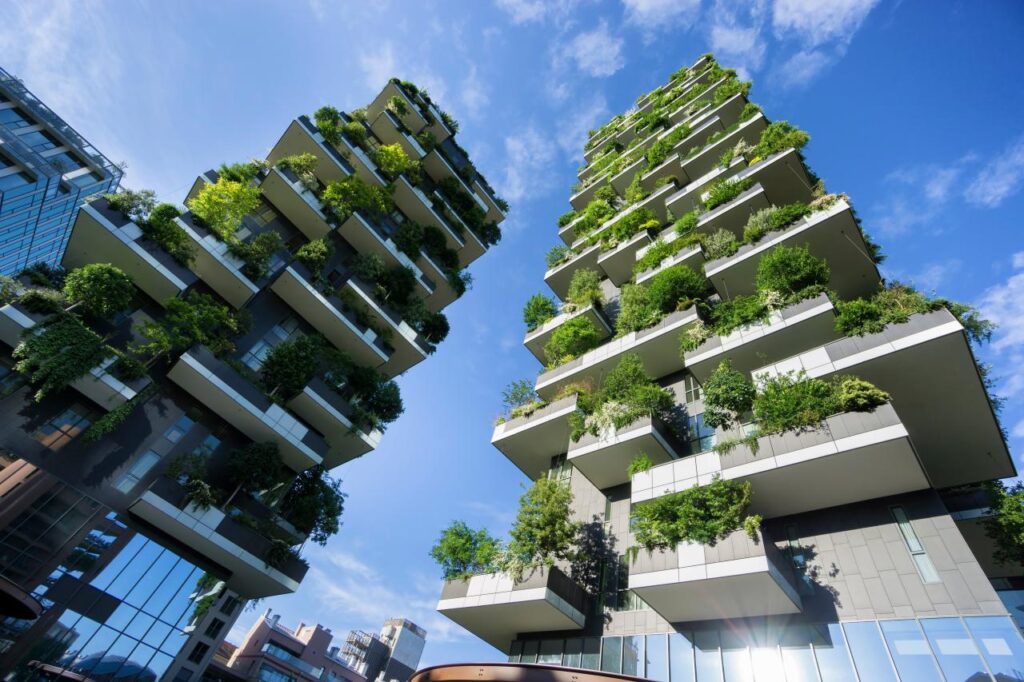
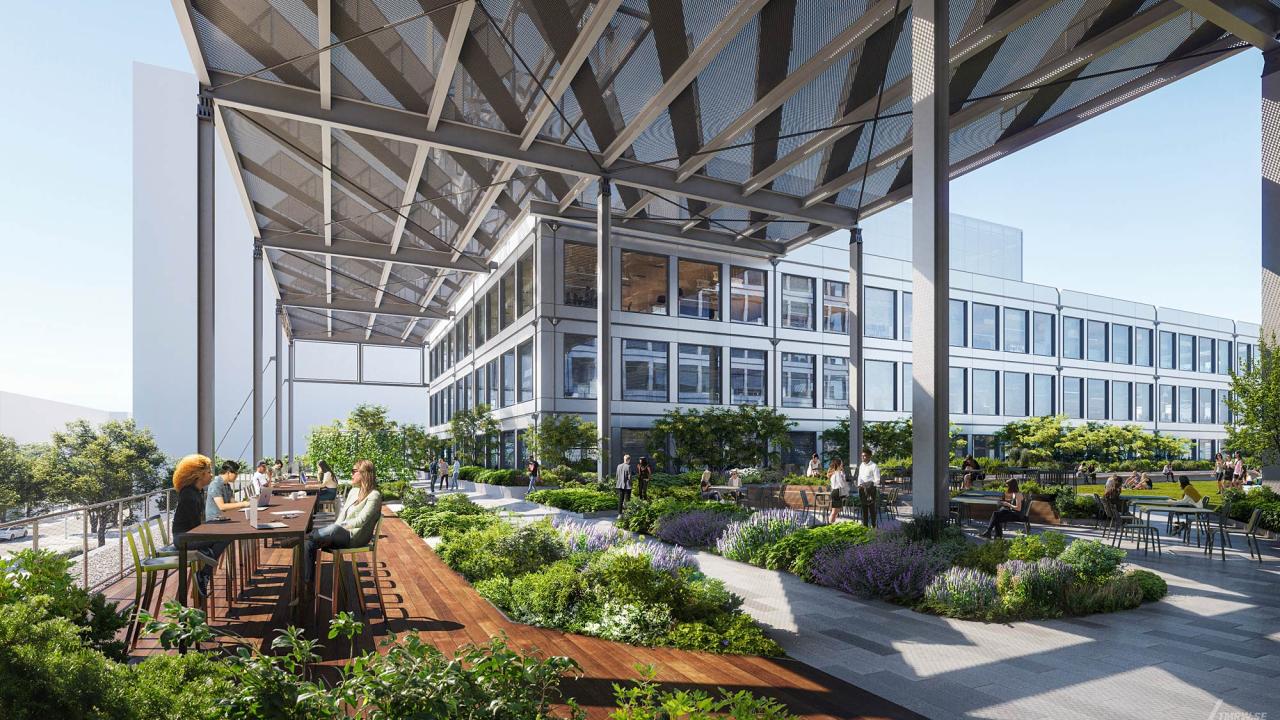
D. Enhancing Indoor Environmental Quality (IEQ): A building’s sustainability is not just about its impact on the planet; it’s also about its impact on the people inside it. Sustainable architecture prioritizes the health and well-being of occupants by improving indoor air quality, maximizing natural light, and providing access to views of nature. Using non-toxic and low-VOC (volatile organic compound) materials is critical to prevent the release of harmful chemicals into the air. The principle of biophilic design—connecting building occupants with the natural world—is a powerful component of IEQ, proven to reduce stress and increase productivity.
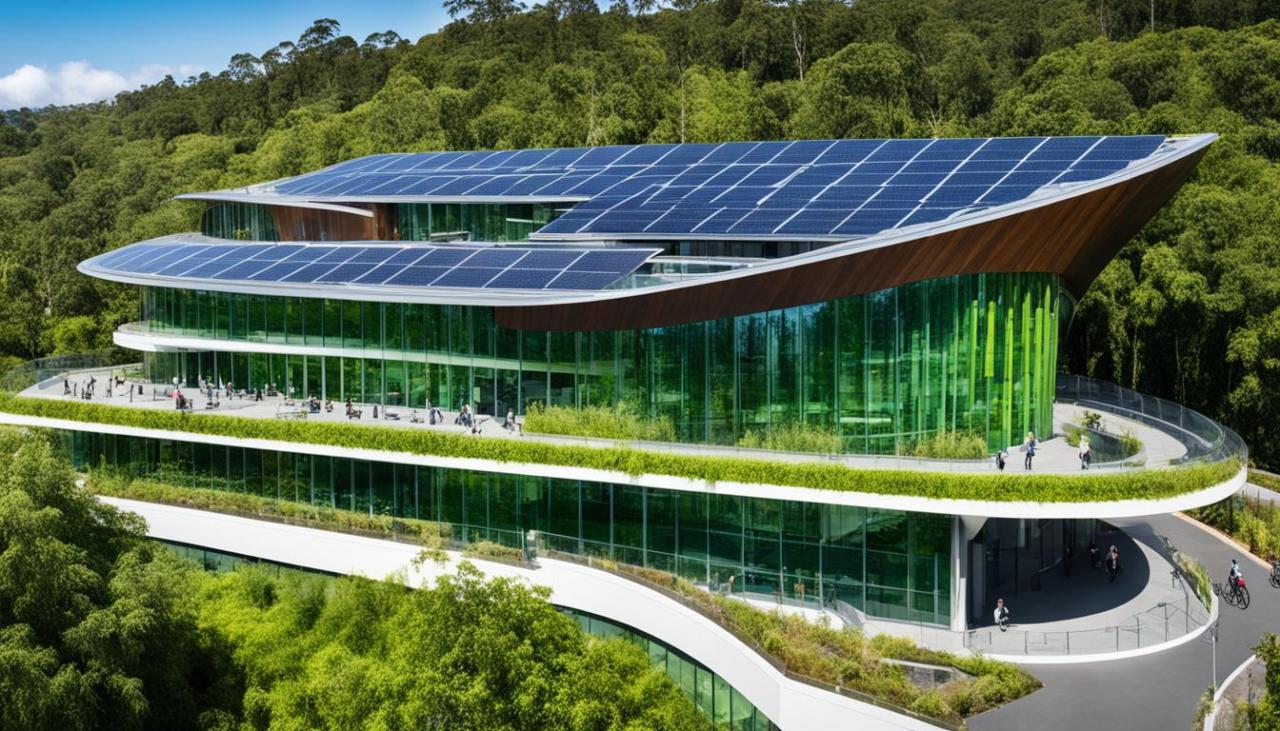
E. Integration with the Site and Community: A sustainable building is one that respects and enhances its local context. This means designing structures that respond to the local climate, use regionally sourced materials, and respect the site’s natural topography and ecosystems. By incorporating green spaces, rooftop gardens, and public plazas, sustainable buildings can contribute to the health and vitality of their surrounding communities, rather than simply dominating them. This approach also considers the social equity of a project, ensuring access to resources and benefits for all community members.
The Technologies and Innovations Driving Change
The principles of sustainable architecture are being brought to life by a wave of cutting-edge technologies and innovative materials. These tools are making it easier and more cost-effective to build green.
A. Smart Building Management Systems: These sophisticated systems use sensors and software to monitor and control a building’s energy consumption in real-time. They can automatically adjust lighting, heating, and cooling based on occupancy and external conditions, ensuring that energy is never wasted. These systems can also track water use and alert building managers to leaks or inefficiencies.
B. Renewable Energy Systems: The integration of on-site renewable energy is a hallmark of truly sustainable buildings. Photovoltaic (solar) panels are now more efficient and affordable than ever, allowing buildings to generate their own electricity. Wind turbines, geothermal heat pumps, and solar thermal systems for hot water are also becoming common, providing clean, renewable power directly at the source.
C. Advanced Building Materials: The materials used in construction are evolving rapidly. 1. Cross-Laminated Timber (CLT): This engineered wood product is a sustainable alternative to steel and concrete, with a much lower embodied energy. It is strong, lightweight, and can be used to construct tall buildings, signaling a new era for timber architecture. 2. Recycled and Upcycled Materials: Architects are increasingly using materials like recycled steel, repurposed glass, and plastics salvaged from landfills and oceans to reduce the demand for new resources. 3. “Self-Healing” Concrete: Researchers are developing concrete that can repair its own cracks using bacteria, which could significantly extend the lifespan of structures and reduce maintenance needs.
D. Green and Living Roofs: These roofs are not just for aesthetics; they are a key component of sustainable design. They help insulate the building, reduce storm runoff, filter air pollutants, and create habitats for local wildlife. They can also reduce the urban heat island effect, a phenomenon where cities are significantly warmer than surrounding rural areas.
The Broader Impact and Future Outlook
Sustainable architecture is more than just a set of building practices; it is a catalyst for broader societal change. It is inspiring new policies, driving innovation in manufacturing, and raising public awareness about the connection between our homes and our planet’s health. Buildings designed with sustainability in mind often have lower operating costs, are more comfortable to live and work in, and are more resilient to the impacts of climate change, such as extreme heat or flooding.
The future of sustainable architecture is a promising one. As technologies become more accessible and building codes become more stringent, green building practices will move from a specialized niche to the industry standard. The next generation of architects is being trained to think holistically, considering the full lifecycle of a building and its impact on the environment and society. This new era of architecture is not about creating a single “green” building here and there. It’s about fundamentally rethinking how we design, construct, and live in our spaces, creating a built environment that supports both human flourishing and the health of the planet for generations to come.