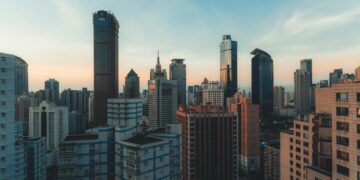
The rapid expansion of global urban centers has historically come at a devastating cost to the natural environment and our psychological well-being. For decades, the standard architectural blueprint for cities involved pouring endless slabs of gray concrete and erecting monolithic glass towers that reflected heat back into the atmosphere. This traditional approach has created “urban heat islands” where city temperatures are significantly higher than surrounding rural areas, leading to increased energy consumption and respiratory issues.
However, a revolutionary shift is occurring in the world of architecture that seeks to heal this rift between the built environment and the natural world. This movement is known as the “Living Building” or “Vertical Forest” concept, where high-rise structures are literally wrapped in thousands of living plants, shrubs, and trees. These buildings act as vertical ecosystems, breathing life back into dense urban grids while providing essential services like carbon sequestration and noise reduction.
As we look toward the year 2026, these green landmarks are no longer just artistic concepts but are becoming a necessity for sustainable city planning. This article will explore how integrating nature into our skyscrapers is changing the way we live, breathe, and interact with the urban landscape.
What Exactly is a Vertical Forest?
A vertical forest is far more than just putting a few potted plants on a balcony; it is a complex engineering feat that integrates biology into structural design. These buildings feature cantilevered stone or concrete terraces specifically designed to support the weight of deep soil and large trees. The goal is to create a self-sustaining environment where the flora can thrive hundreds of feet above the ground.
These structures function as a “lung” for the city by absorbing carbon dioxide and releasing fresh oxygen. They also help filter out harmful particulate matter from traffic and industrial pollution. By mimicking the structure of a natural forest, these buildings provide habitats for birds and insects that were long ago driven out of city centers.
A. Load-bearing balconies are engineered with reinforced materials to handle the immense weight of wet soil and mature root systems.
B. Automated irrigation systems use recycled graywater from the building’s residents to keep the vegetation hydrated efficiently.
C. Specialized soil mixtures are lightweight and nutrient-rich to ensure plants grow healthy without adding excessive structural stress.
D. Wind-resistant plant selection involves choosing species that can withstand the high-velocity air currents found at skyscraper heights.
E. Integrated sensors monitor the health of the plants in real-time, alerting maintenance crews to any signs of disease or water deficiency.
The Fight Against Urban Heat Islands
Concrete and asphalt are excellent at absorbing solar radiation during the day and radiating that heat back out during the night. In a dense city, this creates a constant cycle of warmth that makes living conditions uncomfortable and spikes electricity bills for air conditioning. Vertical forests solve this problem through a natural process called evapotranspiration.
As the plants release moisture into the air, they naturally cool the surrounding atmosphere by several degrees. The thick layers of leaves also act as a physical shield, preventing sunlight from directly hitting the building’s facade. This can reduce the internal temperature of a flat or office space significantly, leading to massive energy savings over the long term.
A. Thermal insulation provided by the plant layers reduces the need for mechanical heating in winter and cooling in summer.
B. Microclimate regulation ensures that the immediate area around the building feels much cooler and more humid than a standard street.
C. Energy consumption for HVAC systems can drop by as much as thirty percent in buildings that utilize comprehensive green facades.
D. Shading effects prevent the “greenhouse effect” inside glass towers, protecting furniture and reducing glare for inhabitants.
E. Permeable surfaces within the green terraces help manage rainwater runoff, preventing local flooding during heavy storms.
Biophilia: The Psychological Edge
Living in a concrete jungle can take a heavy toll on the human mind, leading to increased stress, anxiety, and a feeling of disconnection. Biophilia is the innate human instinct to connect with nature and other living beings. Architects are now using this principle to design spaces that prioritize mental health alongside structural integrity.
Residents of vertical forests report lower levels of cortisol and higher levels of overall happiness compared to those in traditional buildings. Even just looking at greenery through a window has been shown to improve focus and productivity for office workers. The presence of nature transforms a cold apartment into a tranquil sanctuary that offers a retreat from the chaos of city life.
A. Natural air purification inside the building leads to fewer headaches and better respiratory health for long-term occupants.
B. Noise reduction occurs as the dense layers of soil and foliage act as a natural sound barrier against street traffic and sirens.
C. Visual complexity provided by seasonal changes in the plants keeps the environment stimulating and prevents psychological fatigue.
D. Social connectivity is often improved in these buildings through shared rooftop gardens and community green spaces.
E. Sleep quality is enhanced by the natural rhythms of light and the presence of oxygen-rich air within the living quarters.
Biodiversity in the Sky
One of the most overlooked benefits of the living building is its role in urban biodiversity. As we destroy natural habitats on the ground, vertical forests offer a new frontier for wildlife to thrive. These buildings can be home to dozens of different bird species and hundreds of beneficial insects like bees and butterflies.
This creates a “pollinator highway” through the city, helping to maintain the health of local parks and gardens. The presence of wildlife adds an extra layer of magic to the urban experience, allowing children to see nature up close without leaving the city. It is a bold step toward creating a world where humans and nature truly share the same space.
A. Nesting boxes and specialized planting schemes can be used to attract specific endangered bird species back to urban areas.
B. Pollinator-friendly flowers ensure that the local bee populations have a consistent food source throughout the spring and summer.
C. Integrated pest management uses natural predators like ladybugs instead of harmful chemical pesticides to keep the plants healthy.
D. Seasonal migration paths are supported by having “green stepping stones” provided by various vertical forest projects across a city.
E. Citizen science opportunities arise as residents can track and record the wildlife that visits their specific balcony or terrace.
Engineering the Sustainable Skyscraper
Building a vertical forest is significantly more complex than constructing a standard glass tower. Engineers must account for the “dynamic loads” of trees as they grow larger and the weight of water during a heavy rainstorm. They also have to consider the long-term maintenance of these living systems to ensure they don’t become a burden.
Advances in material science have led to the creation of high-strength, lightweight concretes that make these buildings more viable. We are also seeing the use of “cross-laminated timber” (CLT) in green architecture, which further reduces the carbon footprint of the construction phase. The result is a structure that is sustainable from the foundation to the highest leaf.
A. Structural redundancy is built into every terrace to ensure that the building can handle the weight of the forest even as it matures.
B. Graywater recycling systems capture water from showers and sinks, filter it, and use it to nourish the plants automatically.
C. Drone maintenance technology is being developed to prune high-altitude trees and inspect the health of the facade without human risk.
D. Renewable energy integration, such as transparent solar panels, helps power the building’s complex irrigation pumps.
E. Life-cycle assessments show that the initial carbon cost of construction is offset by the carbon sequestration of the plants over time.
The Economic Case for Green Buildings
While vertical forests are more expensive to build initially, the long-term economic benefits are undeniable. These buildings have much higher resale values and lower vacancy rates because people are willing to pay a premium for a healthier living environment. They also save the city money by reducing the strain on the power grid and the drainage system.
Governments around the world are beginning to offer tax incentives and “green bonds” to developers who incorporate vertical forests into their plans. As the technology becomes more standardized, the cost of construction is expected to drop, making these buildings accessible to the middle class. Green architecture is not just a luxury; it is becoming a smart financial investment.
A. Utility cost savings from reduced air conditioning and heating needs can amount to thousands of dollars per year for each unit.
B. Property value increases as green buildings are seen as more prestigious and desirable in the modern real estate market.
C. Health care savings occur on a societal level as residents suffer from fewer pollution-related illnesses and mental health issues.
D. Brand differentiation for corporations allows them to attract top talent by offering a workplace that prioritizes well-being.
E. Longevity of the building’s facade is increased as the plants protect the underlying structure from UV damage and temperature swings.
Challenges and Misconceptions
Despite the many benefits, there are still critics who worry about the practicality of living buildings. Some fear that the roots will eventually damage the structure or that the moisture will lead to mold and rot. Others worry about the “mosquito problem” that might come with increased vegetation in a residential area.
However, modern engineering has solved most of these issues through the use of specialized root barriers and waterproof membranes. The choice of plant species is also critical; by selecting plants that don’t produce standing water, the risk of mosquitoes is virtually eliminated. Education is the key to overcoming these misconceptions and gaining wider public support for green projects.
A. Root-repelling membranes are applied to all planting areas to prevent any biological damage to the concrete or steel.
B. Drainage layers ensure that excess water is moved away from the structure immediately, preventing any moisture buildup or rot.
C. Allergy-friendly planting involves avoiding wind-pollinated species that could cause issues for residents with hay fever.
D. High-altitude gardening requires specialized training for maintenance staff to ensure they can work safely and effectively.
E. Urban planning regulations are being updated to provide clearer guidelines on how vertical forests should be maintained over decades.
Case Studies: From Milan to Singapore
The most famous example of this movement is the Bosco Verticale in Milan, Italy. Completed in 2014, these two towers have become a global symbol for the future of green architecture. They house over 800 trees and 15,000 perennials, creating a breathtaking visual landmark that changes colors with the seasons.
In Asia, Singapore is leading the way with projects like the Oasia Hotel Downtown and the Jewel Changi Airport. These projects take the concept a step further by creating massive “indoor valleys” and facades that are 100% covered in climbing plants. These success stories prove that the vertical forest concept is scalable and adaptable to different climates and cultures.
A. Milan’s Bosco Verticale proved that high-rise biodiversity can actually lower energy bills and improve local air quality.
B. Singapore’s “City in a Garden” initiative has made green facades a mandatory part of many new urban development projects.
C. Sydney’s One Central Park uses a massive cantilevered heliostat to reflect sunlight into the shaded areas of its vertical gardens.
D. China’s forest city projects are aiming to build entire neighborhoods using these principles to combat severe smog in industrial regions.
E. Paris is exploring the use of “bio-facades” that use algae to produce energy while simultaneously cleaning the air.
The Future: Circular Urbanism
As we look toward 2030, the living building will likely evolve into part of a “circular urbanism” model. In this future, buildings won’t just have trees; they will also grow food for their residents through vertical farming units. The waste from the kitchen will be composted to provide fertilizer for the balconies, creating a perfect loop of production and consumption.
This will reduce the city’s dependence on long-distance food transport and make urban centers more resilient to global supply chain disruptions. The vertical forest is just the first step in turning our cities back into productive parts of the earth’s ecosystem. We are moving from a world where we build on the earth to one where we build with the earth.
A. Vertical aquaponics systems will allow residents to grow fish and vegetables together in a closed-loop environment on their terrace.
B. Composting chutes will turn food waste into liquid fertilizer that is automatically distributed through the building’s irrigation lines.
C. Seed-sharing programs among residents will foster a sense of community and help maintain a diverse range of plant species.
D. Localized food production will significantly reduce the carbon footprint associated with trucking groceries into dense city centers.
E. Climate-adaptive facades will be able to change their density and leaf cover based on the specific weather patterns of the year.
Conclusion
The vertical forest represents the ultimate bridge between our urban future and our biological past.
We are finally moving away from the “gray” architecture of the twentieth century toward a “green” and living reality.
Integrating thousands of trees into a single skyscraper is a bold statement that humans can live in harmony with nature.
The benefits to our mental health and the environment make these buildings the only logical choice for the future.
While the engineering is complex, the results are beautiful, functional, and deeply necessary for a warming planet.
Cities do not have to be cold and lifeless places that drain our energy and ruin our health.
By embracing the living building, we can turn every urban jungle into a thriving and productive vertical ecosystem.
Innovation in materials and drone maintenance will only make these projects more affordable and common.
Every new green tower built is a victory for biodiversity and a step toward a more sustainable global society.
The future of our cities is not just made of glass and steel, but of leaves, roots, and fresh air.
May we continue to build upward until our skylines are as lush and vibrant as the ancient forests we once called home.